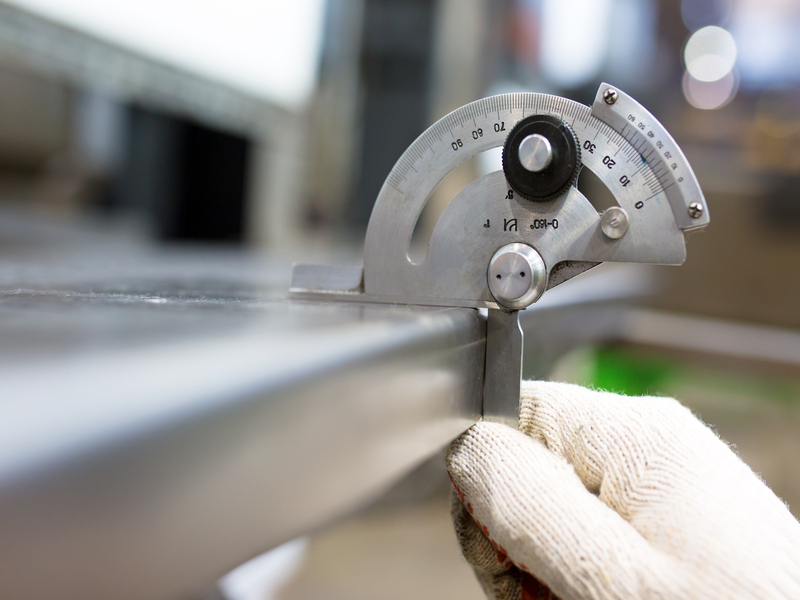
Alignment Control
Reduce positional drift and tolerance stack-up in motion-critical assemblies.

Components designed for motion accuracy, structural stability, and repeatable system performance
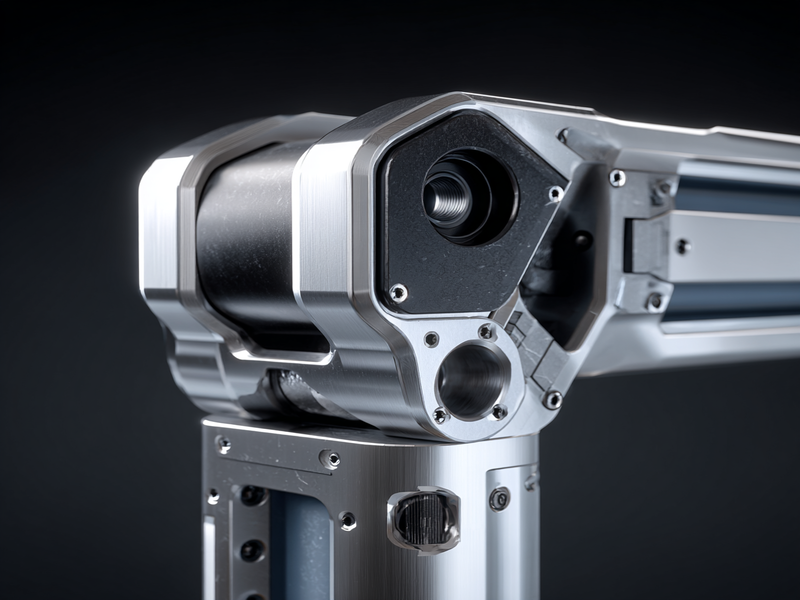
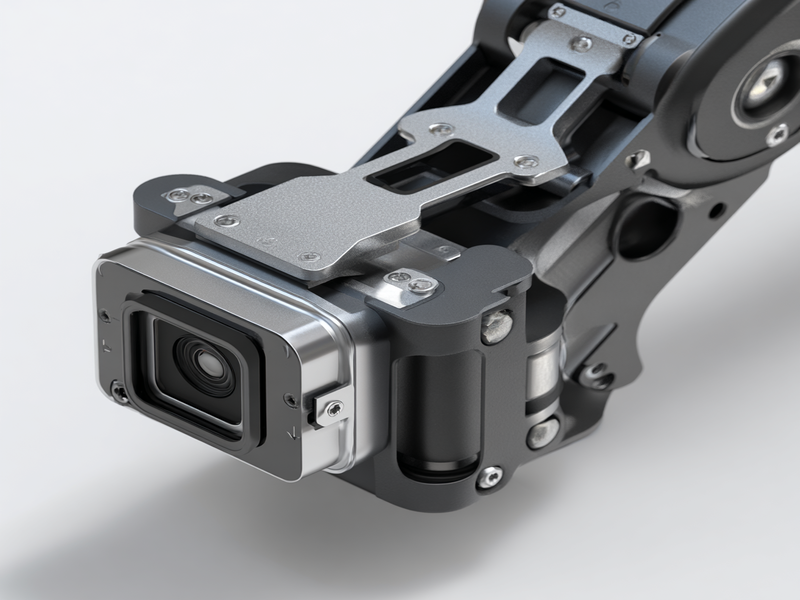
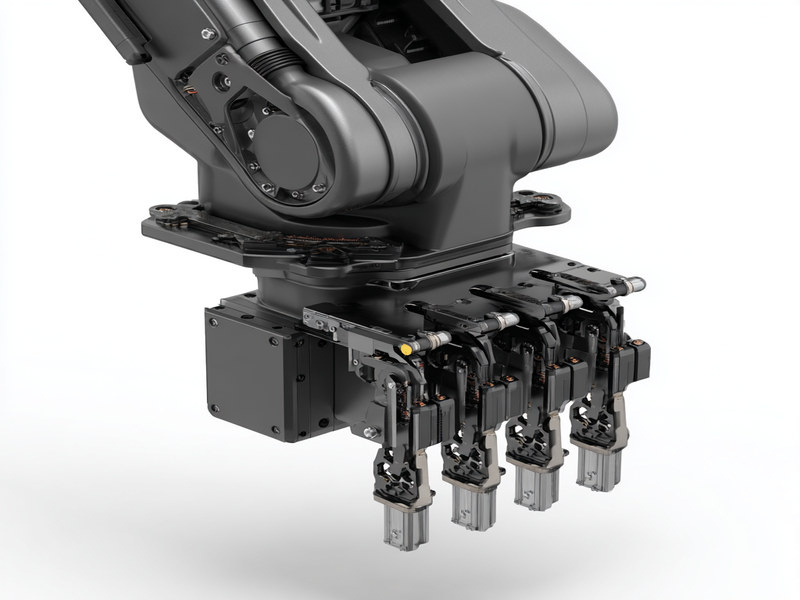
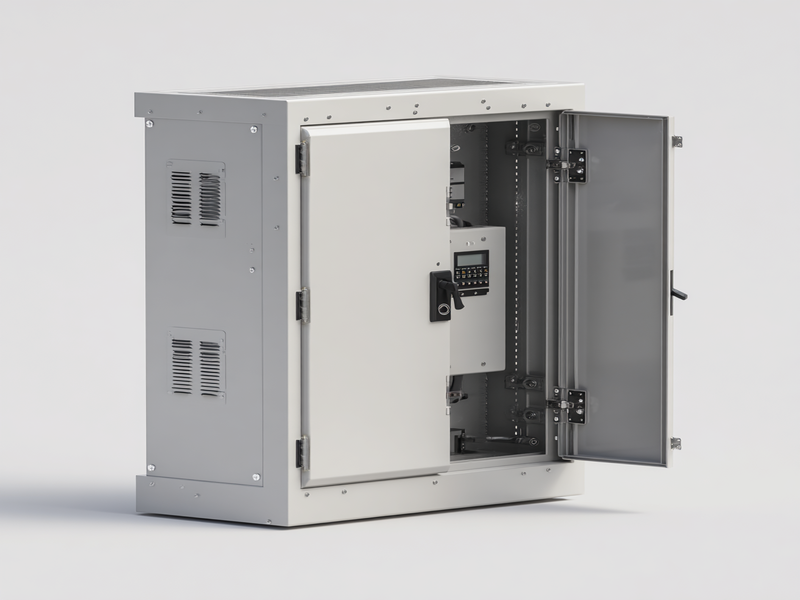
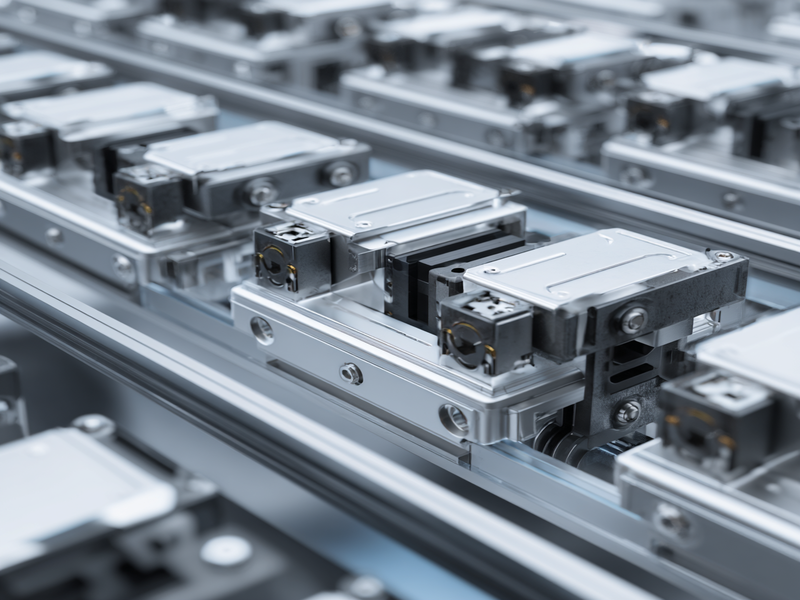
Reduce positional drift and tolerance stack-up in motion-critical assemblies.
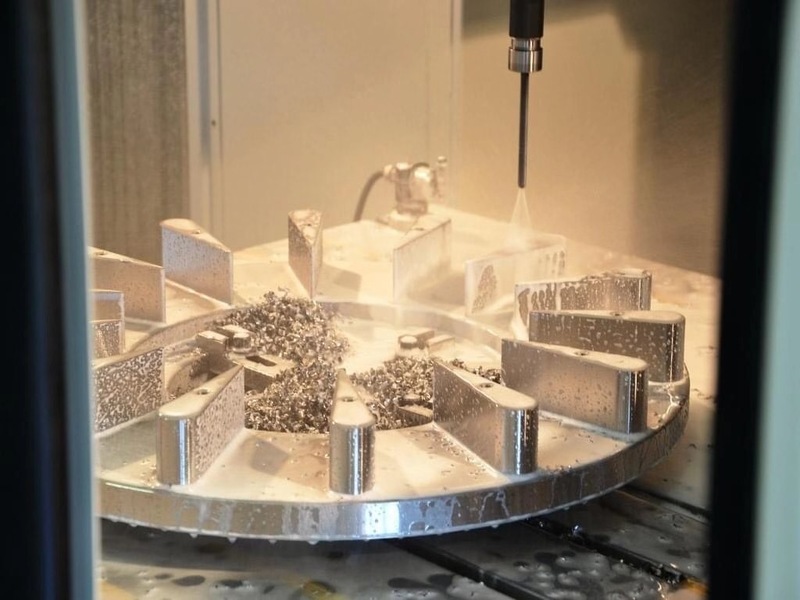
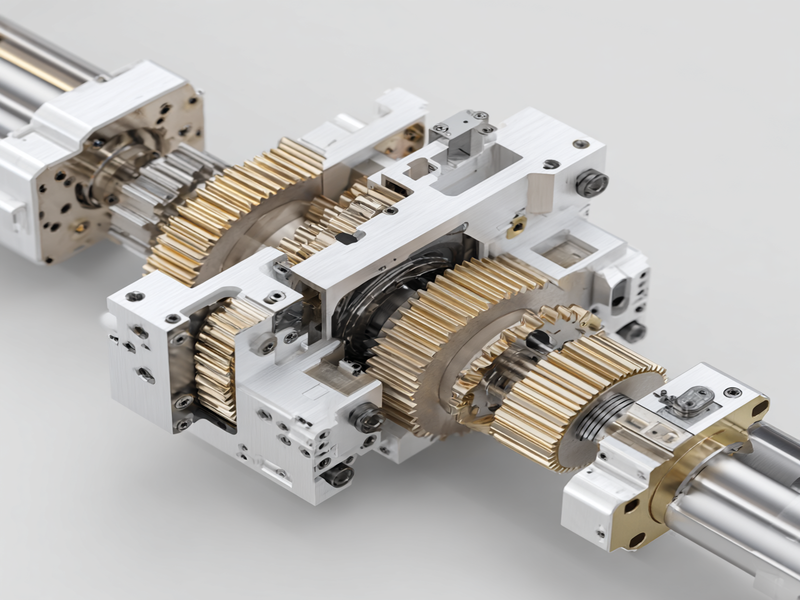
Balance lightweight design with structural stability under repeated movement.
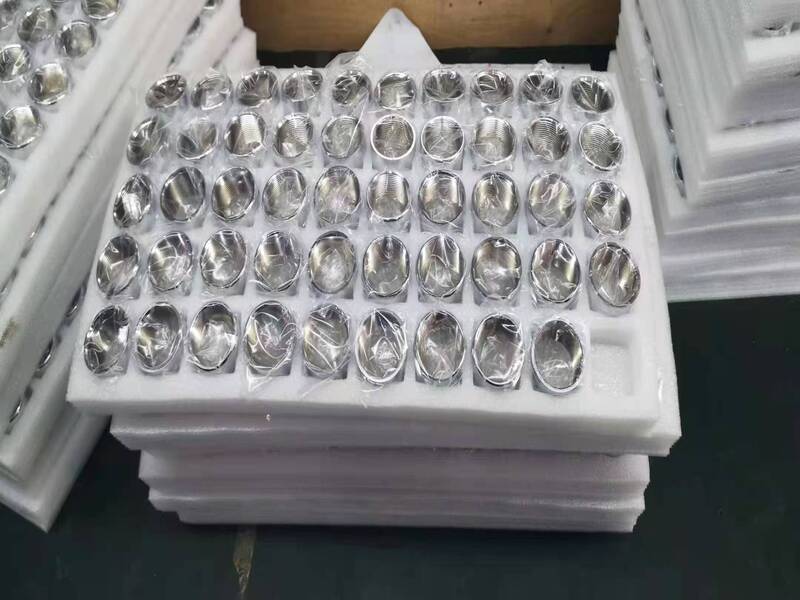
Feedback from robotics engineers and automation integrators focused on
Our robotic arm gradually lost positioning accuracy after repeated cycles, even though the machined parts were technically within spec.
Premium reviewed the interface rigidity and alignment features rather than just tightening tolerances globally. After adjusting those critical areas, the system maintained calibration much more consistently during long-run testing.

Some gripper components started wearing earlier than expected, which eventually affected repeatability.
After reviewing the operating conditions, Premium recommended a different material and surface treatment combination. The updated parts held alignment much better during continuous cycling.

Our prototype system worked well, but production units showed slight variation between modules that affected alignment during deployment.
Premium identified which interfaces actually controlled repeatability and adjusted the process around those features. The production systems became much more stable and easier to scale.

When machined parts fail positioning accuracy, structural assemblies lose repeatability or supplier delays slow equipment integration, your automation system performance and delivery schedule are directly affected.
Premium Rapid & Mold helps you reduce production risk with CNC machining, aluminum extrusion, sheet metal fabrication and injection molding support for robotics and automation applications requiring precision motion, stable assembly fit and repeatable manufacturing quality.


Repeated motion can expose small issues in rigidity, mounting geometry, or interface stability.
Even when parts are within tolerance, vibration and cyclic loading may gradually affect positioning accuracy.
Wear depends on material pairing, surface condition, and operating load.
Material and surface treatment are selected based on repeated movement and long-cycle operation.
Lightweight designs must balance weight reduction with structural stability.
Geometry, wall thickness, and manufacturing process are optimized to reduce flex and vibration.
Inspection focuses on motion-critical and alignment-sensitive features.
Depending on the requirement, this may include CMM measurement, fixture inspection, and interface verification.
2D & 3D files, assembly requirements, motion conditions, load expectations, and target production volume.
Defining these early helps reduce redesign, calibration issues, and deployment delays.