Thin-Wall Control
Reduce deformation and geometry shift during machining of lightweight structural parts.
Custom Aerospace Components for Lightweight Structures, Precision Assemblies & Fast Development Cycles
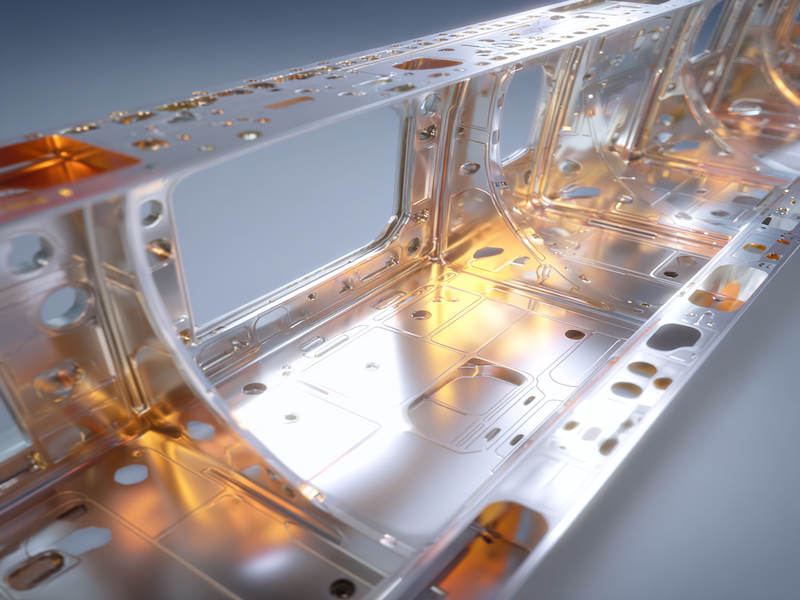
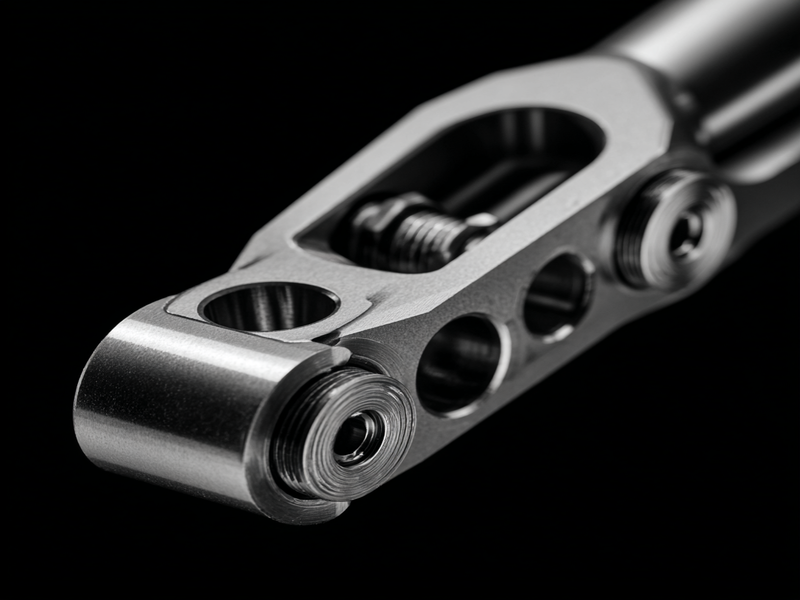
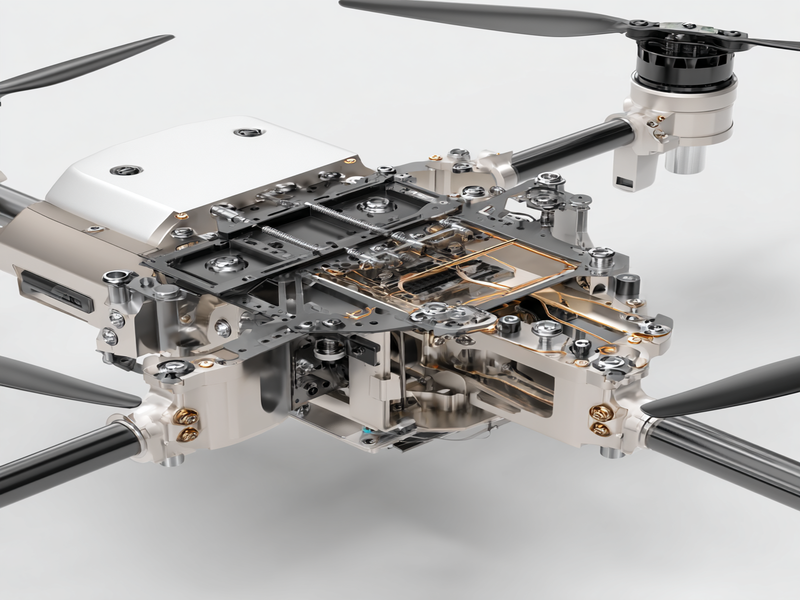
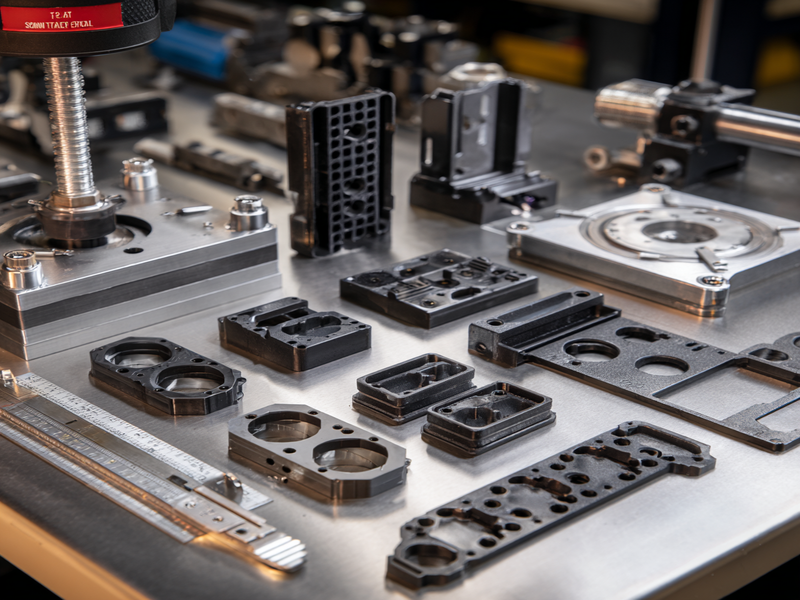
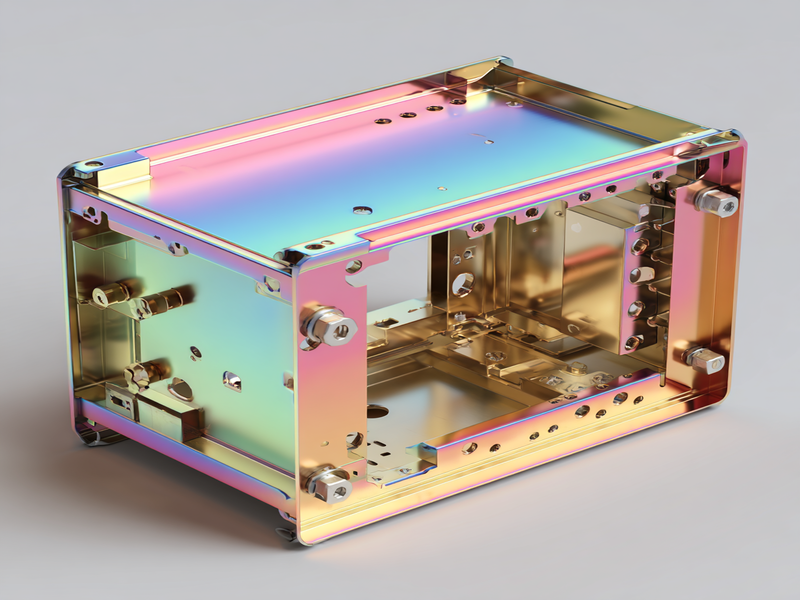
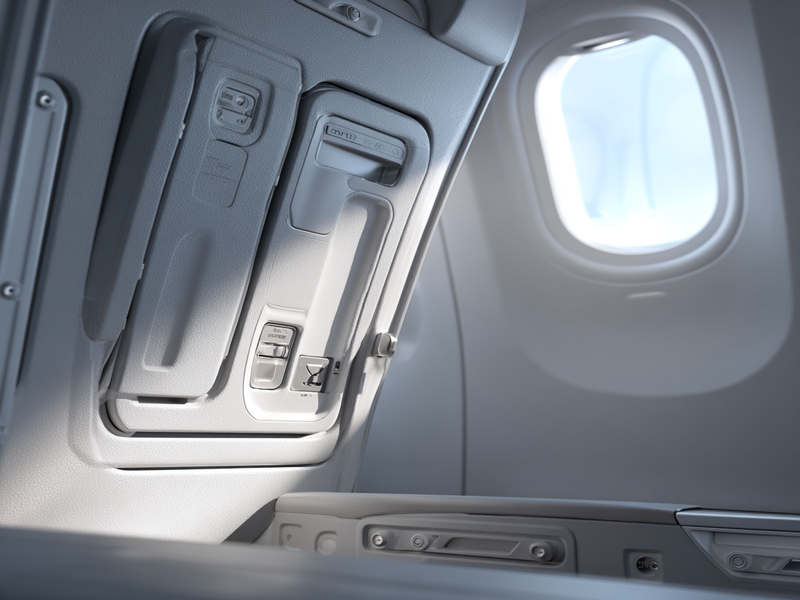
Reduce deformation and geometry shift during machining of lightweight structural parts.
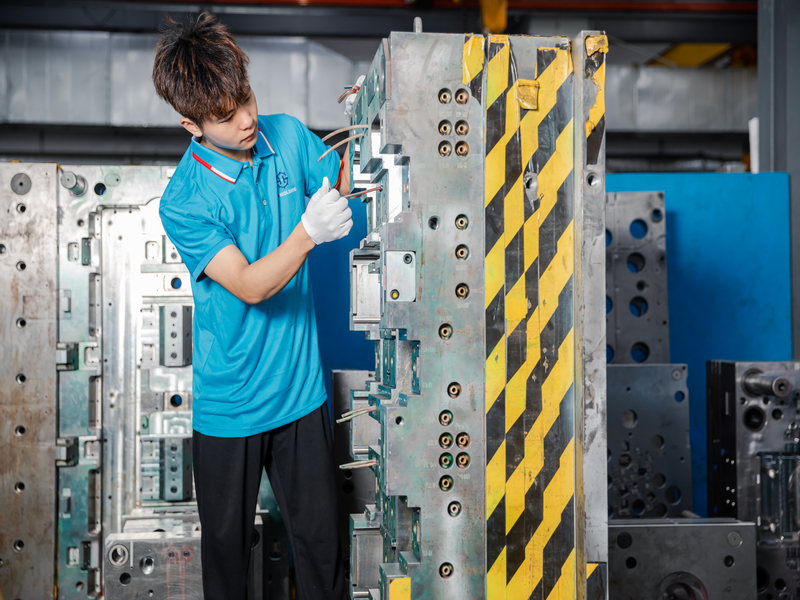
Control interface alignment and tolerance stack-up across multi-part aerospace assemblies.
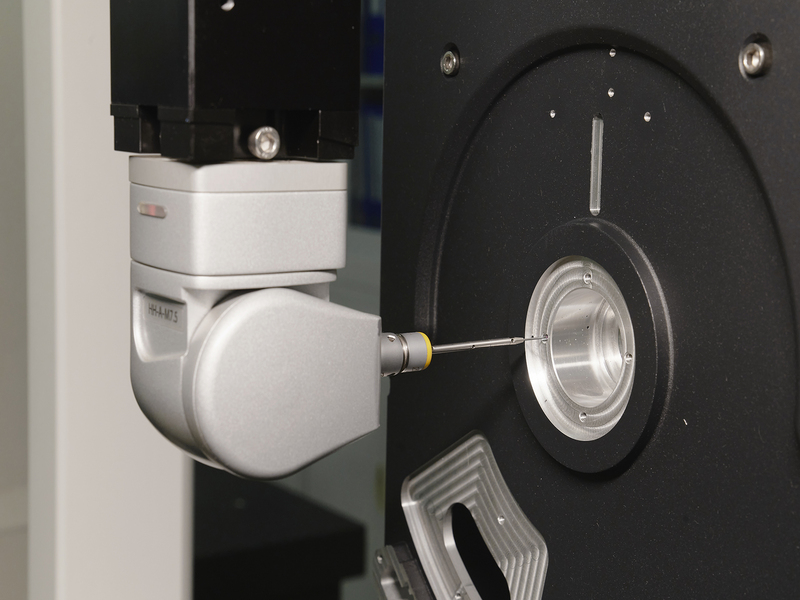
Maintain critical dimensions and flatness after machining and finishing processes.
Feedback from UAV, aerospace, and precision-machining teams managing geometry stability, lightweight structures, and assembly repeatability
We started seeing small interface variations between assemblies that created extra fitting work during installation.
Instead of tightening every dimension, the Premium team focused on the alignment-critical features that actually controlled assembly accuracy. That improved repeatability quite a bit across later batches.

One avionics enclosure showed slight dimensional movement after finishing, which affected internal component fit.
During the review process, the Premium team adjusted both the machining sequence and finishing approach to reduce stress movement in the part. The housing stability improved significantly afterward.

We had a multi-part assembly where tolerance stack-up gradually affected final positioning during integration.
What helped most was how the Premium team isolated the interfaces that actually controlled the final fit instead of over-controlling the whole assembly. The repeatability became much more stable afterward.

When aerospace parts fail tolerance validation, lightweight structures deform under load or machining inconsistencies affect assembly precision, your development timeline and production reliability are immediately at risk.
Premium Rapid & Mold helps you reduce manufacturing risk with CNC machining, aluminum extrusion, sheet metal fabrication and molding support for aerospace applications requiring lightweight structures, precision assemblies and stable low-volume production quality.


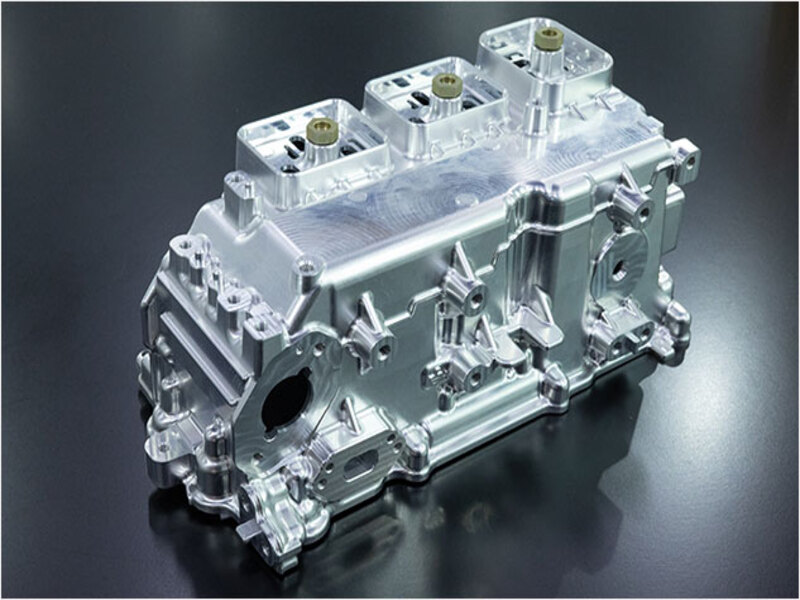


Thin-wall structures are highly sensitive to machining stress and fixturing pressure.
Machining sequence, clamping strategy, and material removal are optimized to improve geometry stability after processing.
Mounting surfaces, alignment features, and interface geometry are treated as critical areas during machining and inspection to reduce tolerance stack-up during assembly.
Weight reduction must be balanced against vibration resistance and structural stiffness.
Geometry, wall thickness, and reinforcement strategy are adjusted based on load and operating conditions.
Residual material stress, heat exposure, and uneven material removal can cause dimensional movement after processing.
Manufacturing strategy and finishing sequence are controlled to reduce distortion risk.
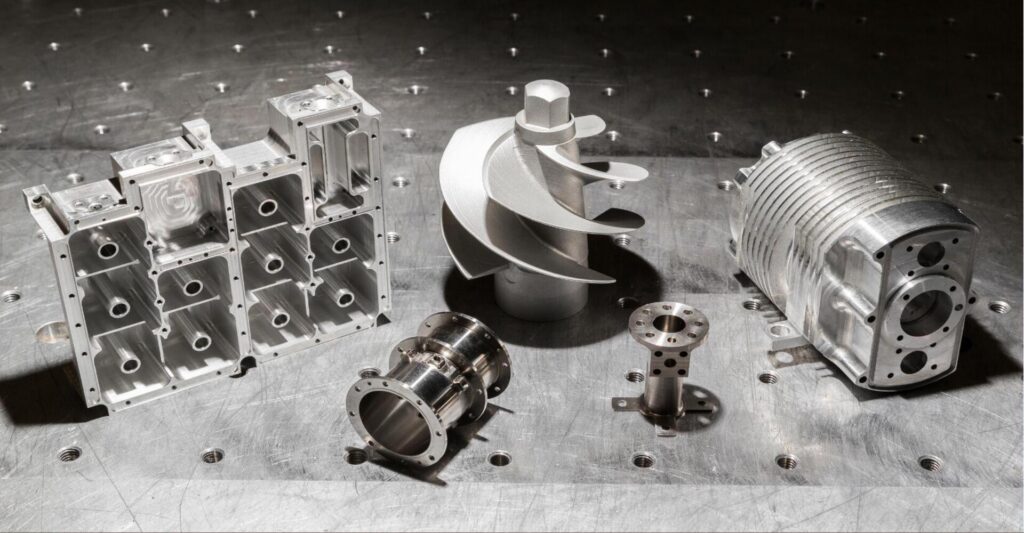
Complex aerospace components often require multi-axis machining to maintain geometry consistency across angled surfaces and deep features.
Material selection depends on weight, rigidity, corrosion resistance, thermal stability, and structural requirements.
Common options include aluminum alloys, titanium, stainless steel, and high-performance engineering plastics.