DFM for Validation Requirements
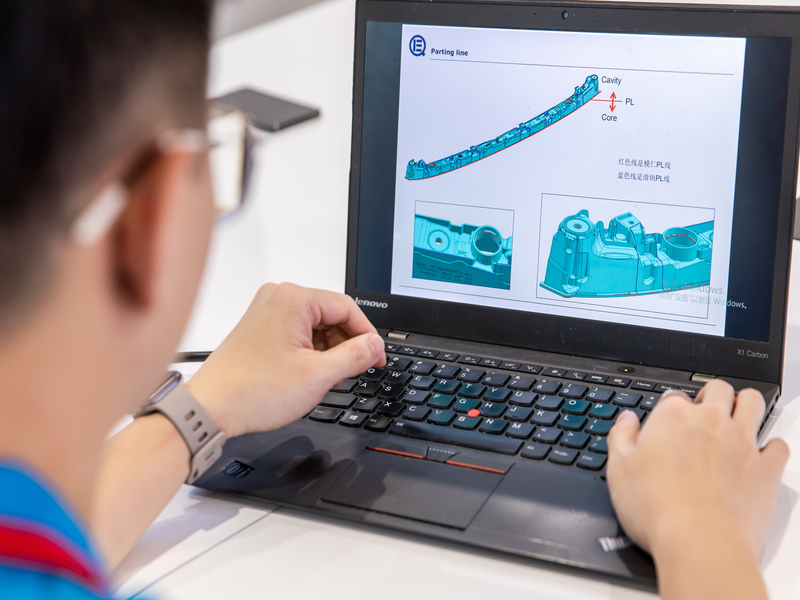
Design review focuses on fit, sealing, and functional interfaces to reduce failures during testing and verification—not just manufacturability.
Components designed for validation, material stability, and repeatable performance
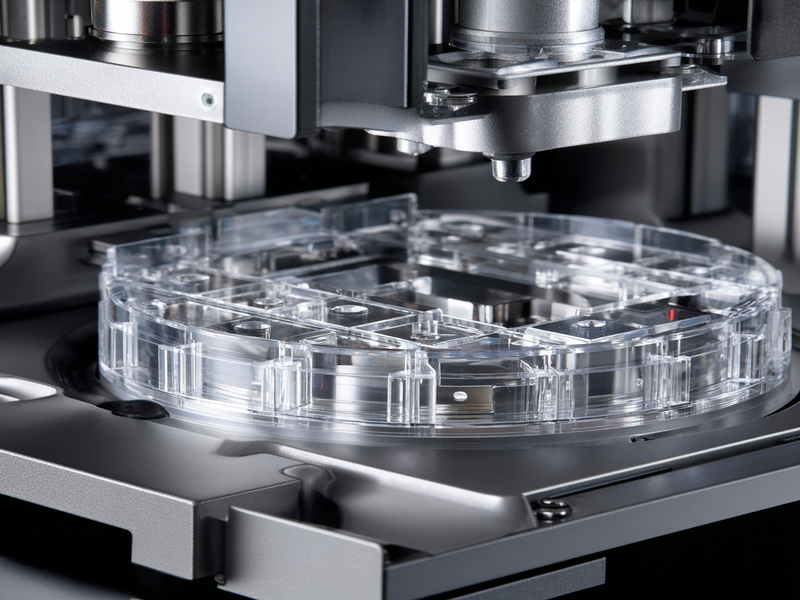
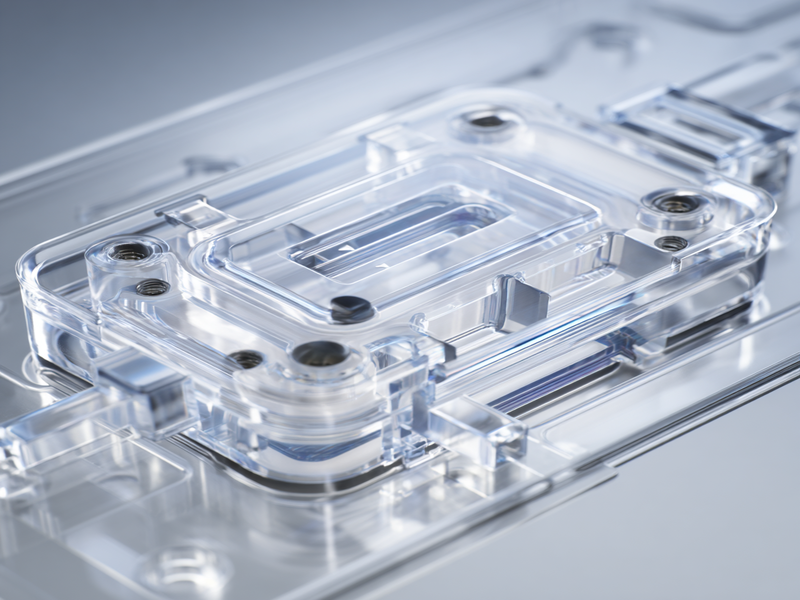
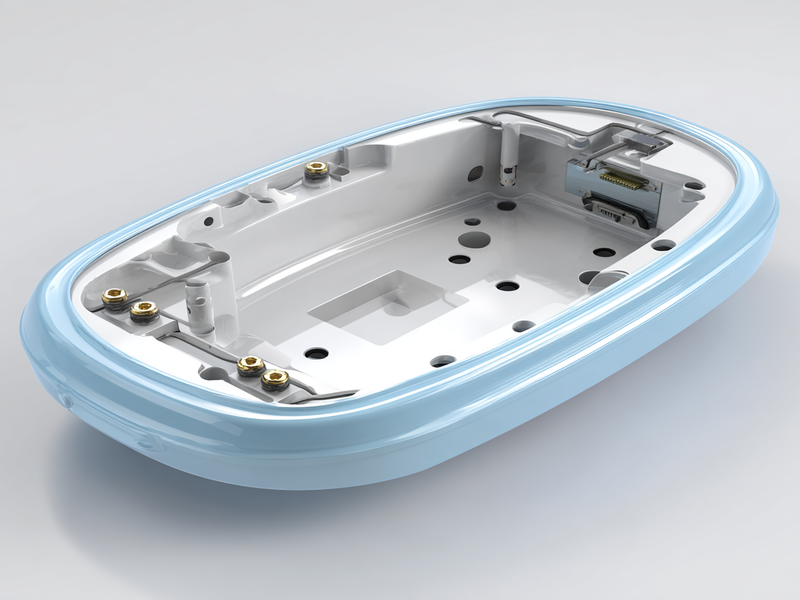
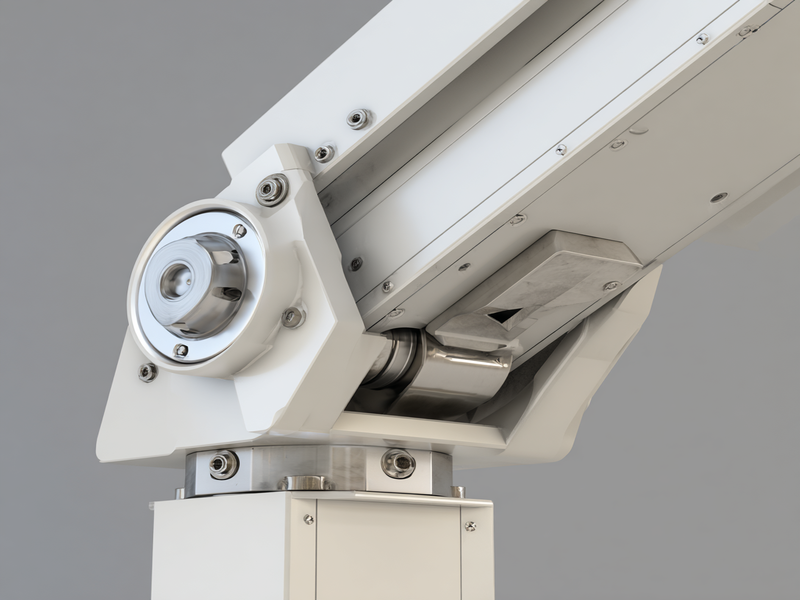

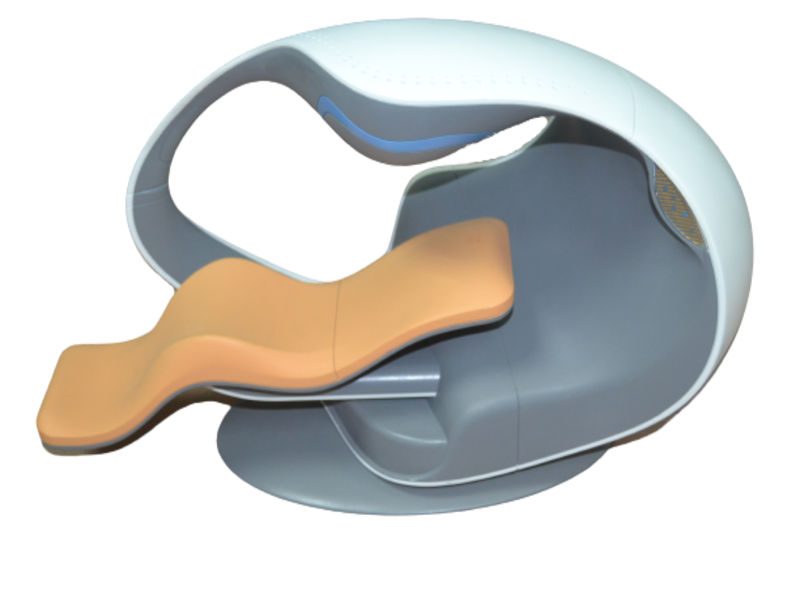
Design review focuses on fit, sealing, and functional interfaces to reduce failures during testing and verification—not just manufacturability.
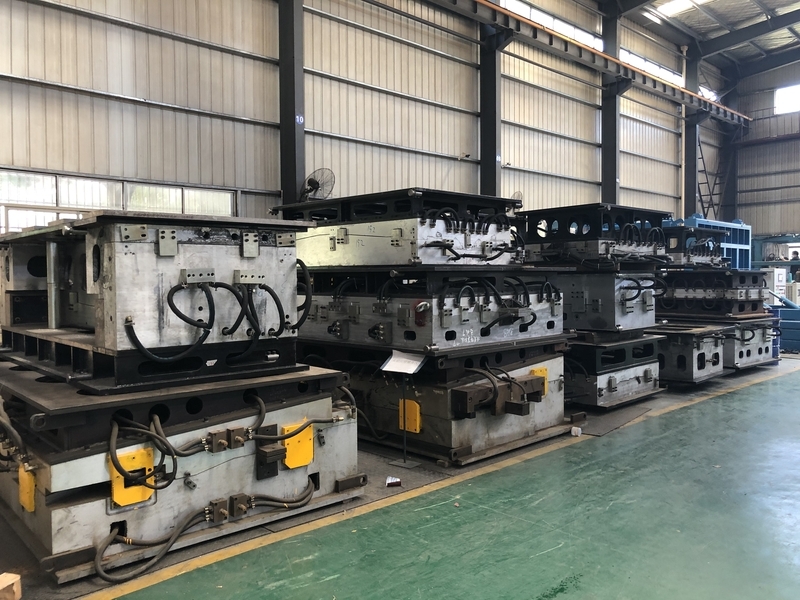
Processes and parameters are aligned early to avoid dimensional drift, revalidation, or redesign between builds.
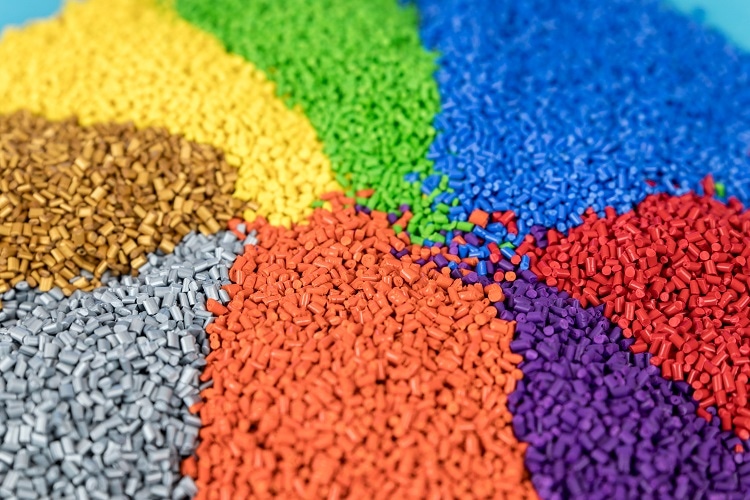
Materials are selected and documented based on stability, application requirements, and traceability needs for validation support.
Feedback from engineers and product teams working through validation, material behavior, and production consistency
Our housing passed inspection but failed during assembly—snap features interfered once we moved beyond single-unit builds.
Premium reviewed the mating features under tolerance variation and adjusted both geometry and draft, along with the molding approach to improve consistency.
The next batch assembled cleanly across multiple units, which allowed us to move forward without redesign.

Our prototypes worked, but production parts introduced small variations that affected assembly.
Premium helped align the manufacturing method earlier and modified key features to suit the process, reducing variation between builds.
Later batches matched prototype behavior closely, which avoided repeating validation work.”

Surface finish varied between batches, leading to rejections at final inspection.
After reviewing requirements with Premium, finishing standards were defined more clearly and the process was adjusted to match.
Variation dropped significantly, and inspection became much more predictable.

When medical components fail dimensional validation, surface cleanliness requirements or assembly consistency, your development timeline and production reliability are immediately at risk.
Premium Rapid & Mold helps you reduce manufacturing risk with CNC machining, injection molding, silicone molding and clean-finish component production for medical applications requiring precision, repeatability and stable quality control.


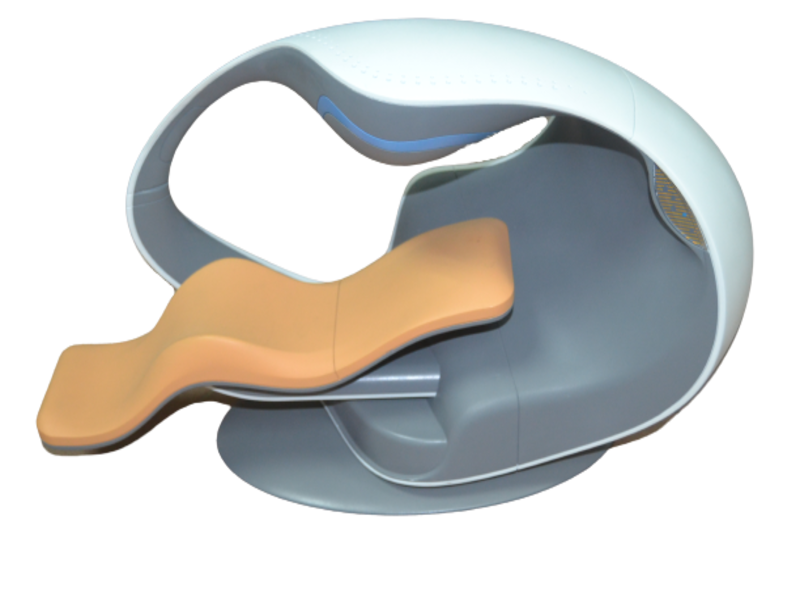
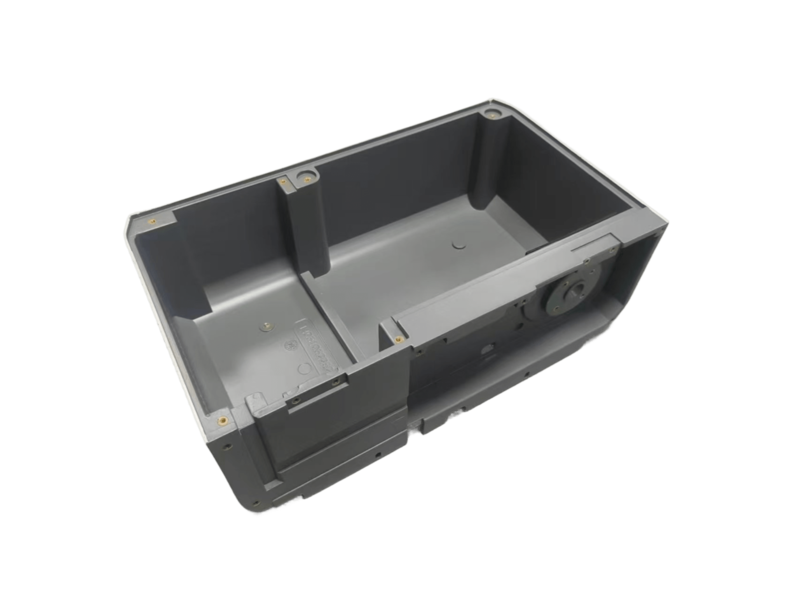


Beyond drawings, it’s important to define:
This reduces assumptions and avoids redesign during validation.
Yes,we can support,Manufacturing workflows can be aligned with ISO 13485 / ISO 9001 requirements, depending on project needs.
Documentation, traceability, and inspection are structured to support validation and audit processes.
Deformation is typically related to material selection, wall thickness, and processing conditions.
Factors such as temperature cycling, cleaning, and repeated use must be considered—not just initial fit.
Materials can be supplied with COC (Certificate of Conformance) or COA (Certificate of Analysis).
This supports validation, internal documentation, and audit requirements.
Tolerances are defined based on function, process, and material, not applied uniformly.
Critical features (e.g. sealing surfaces, mating interfaces) are controlled differently from non-functional areas.
A single tolerance value across the entire part is rarely meaningful in medical applications.
Because inspection checks dimensions—validation tests real function and interaction.
Failures often come from fit between components, sealing performance, or material behavior, not individual measurements.
Parts are reviewed based on how they perform in the device, not just how they measure.