Cosmetic Control
Control sink marks, flow lines, texture variation, and anodizing consistency across large production batches.
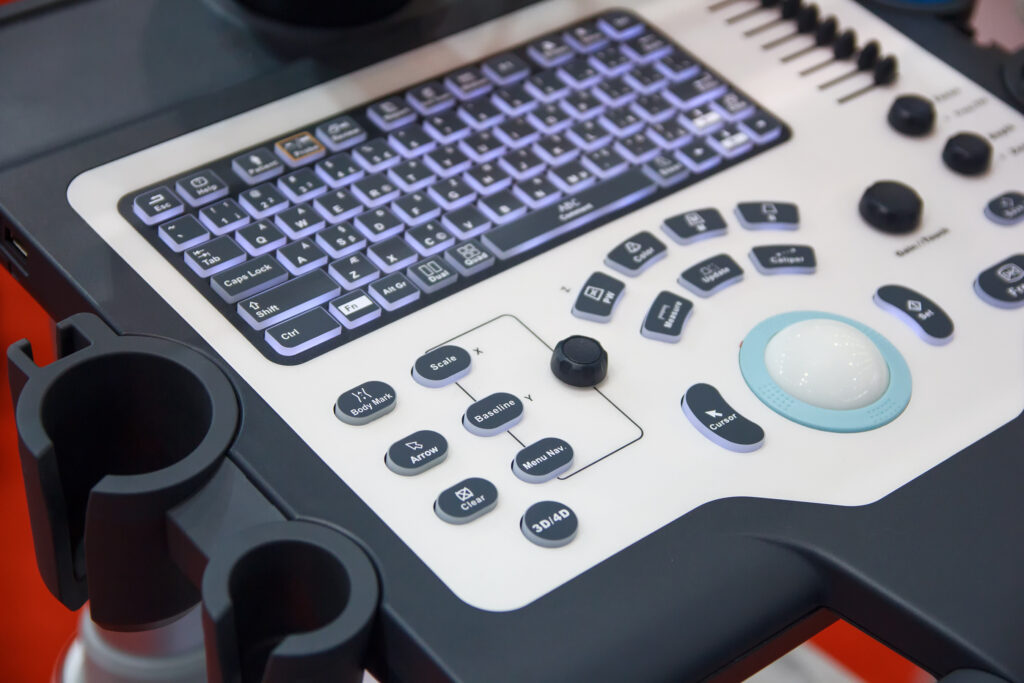
Components designed for cosmetic consistency, assembly precision, and scalable production
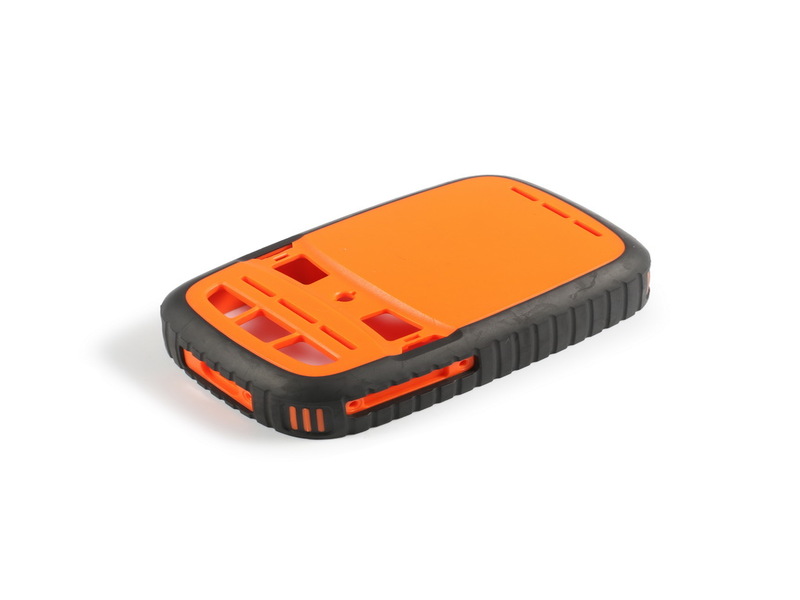
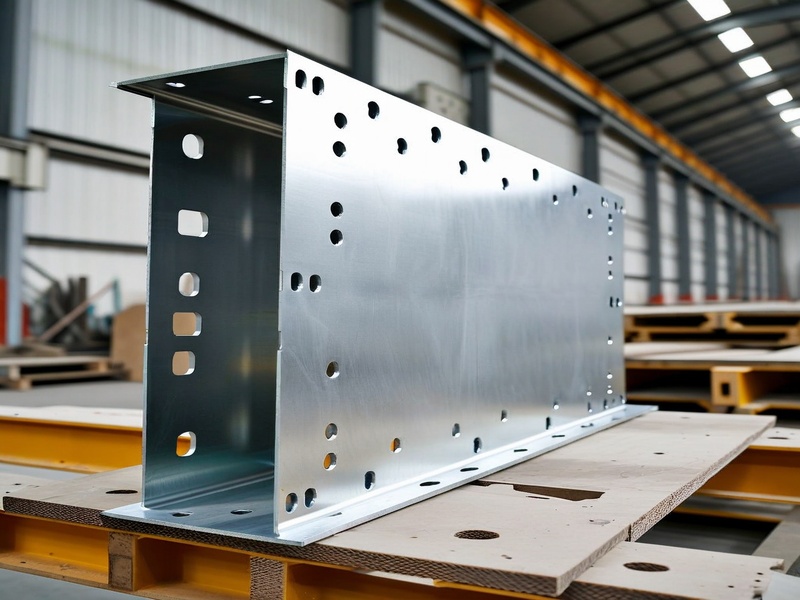
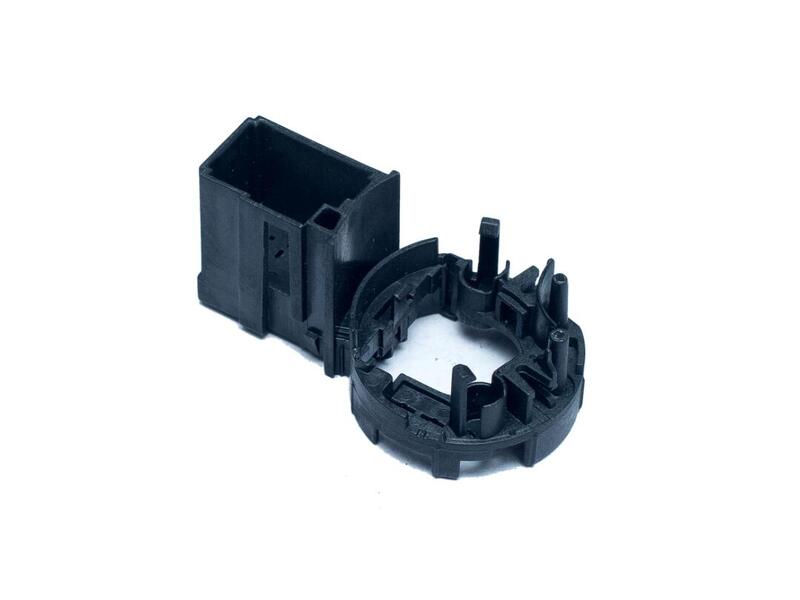
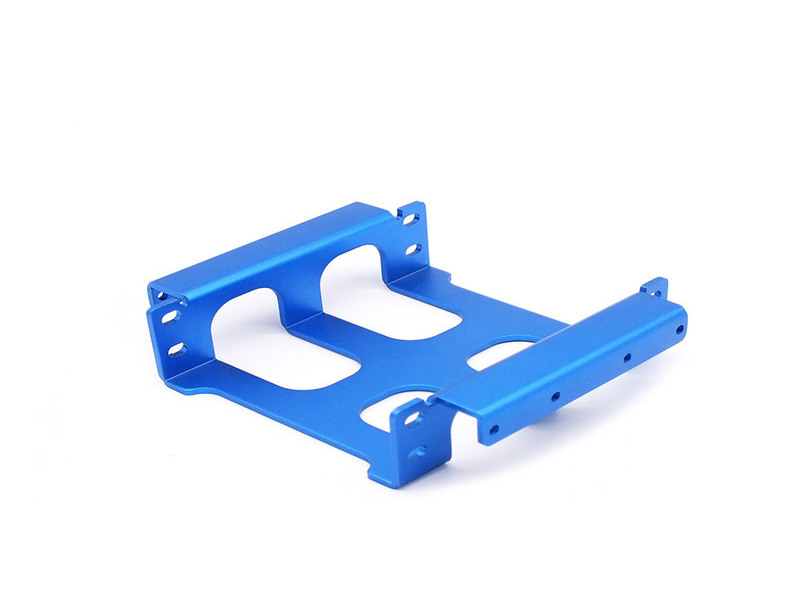
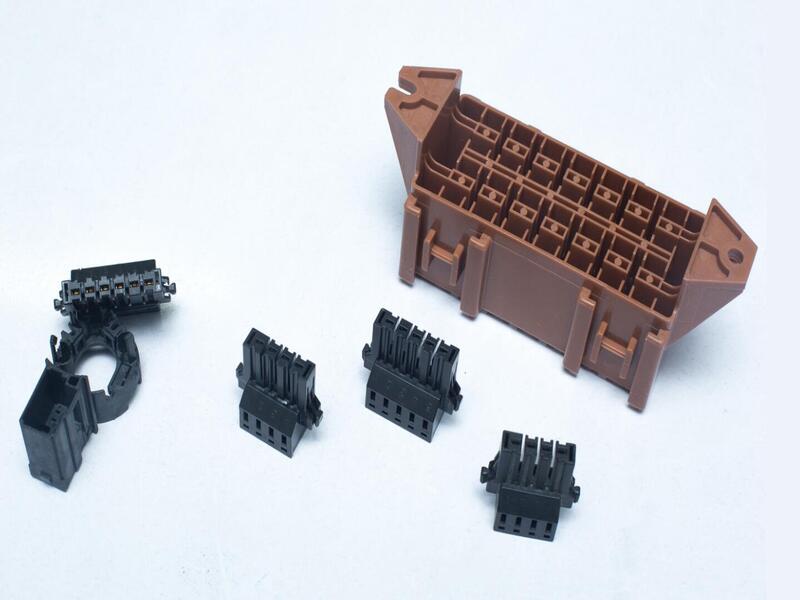
Control sink marks, flow lines, texture variation, and anodizing consistency across large production batches.
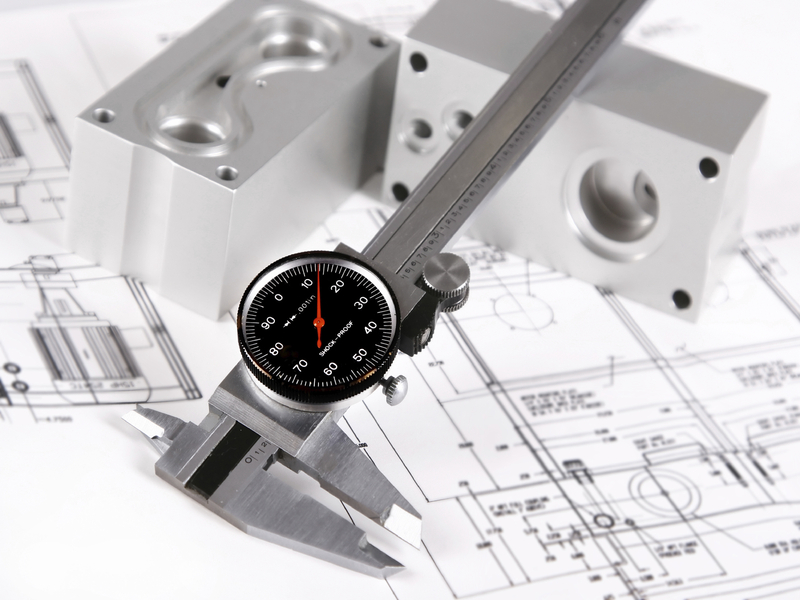
Manage snap features, connector alignment, adhesive gaps, and tolerance stack-up before assembly issues appear on the line.
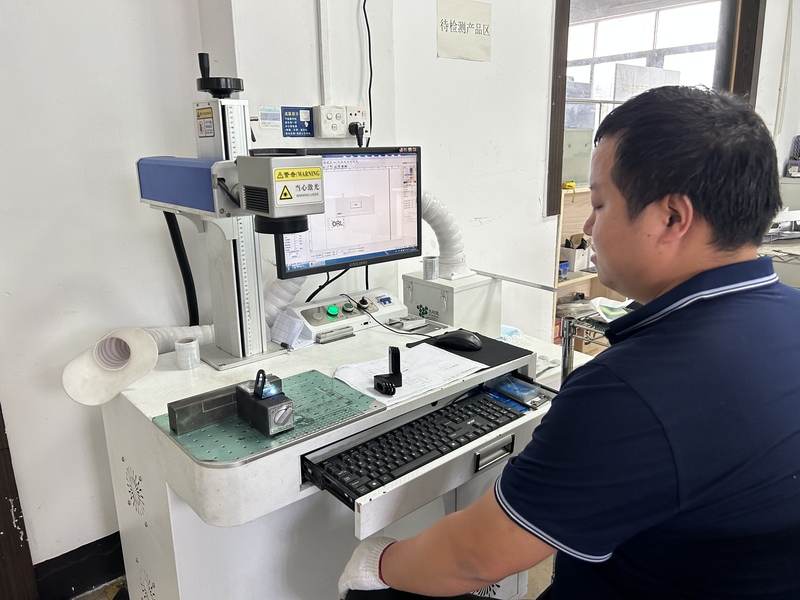
Maintain dimensional stability under heat, repeated handling, and long-term product use.
Feedback from product, mechanical, and sourcing teams managing fit, finish, and production scale
Our prototype housings looked good, but production batches showed visible texture and color variation under retail lighting.
Premium reviewed the molding and finishing process, especially around texture consistency and handling. The appearance became much more stable across runs afterward.
That helped us avoid cosmetic sorting before final assembly during launch preparation.

Some wearable housings assembled perfectly, while others required extra force and occasionally cracked.
Premium reviewed the relationship between wall thickness, draft, and material behavior, then adjusted the geometry without redesigning the entire housing.
Assembly became much more consistent across pilot builds.

We saw inconsistent anodizing results on aluminum exterior parts, especially around visible edges and corners.
Premium refined both machining and finishing details to improve surface uniformity before anodizing.
Finish quality became much more predictable, reducing cosmetic rejection.

When enclosure gaps, cosmetic defects or unstable tolerances affect assembly quality, your product launch and customer experience are immediately impacted.
Premium Rapid & Mold helps you reduce production risk with CNC machining, injection molding, aluminum extrusion and silicone molding support for consumer electronics applications requiring precision fit, clean surface finishes and reliable low-volume manufacturing.


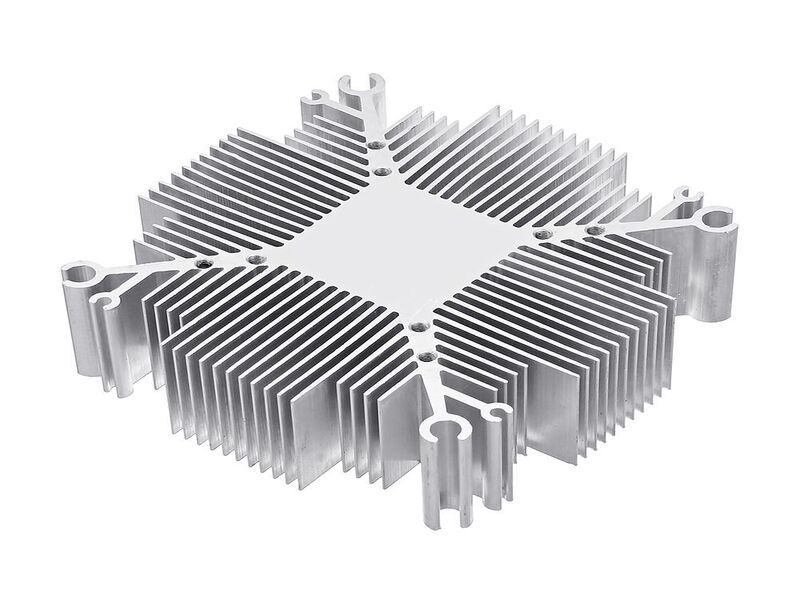
Prototype builds often use different tooling or process conditions than production.
Small variations in shrinkage, tooling, or assembly features can create fit issues when scaling volumes.
Most failures come from wall thickness variation, material behavior, or tolerance stack-up.
Assembly features are reviewed based on real use conditions—not just CAD dimensions.
Material selection and process control are matched to thermal and structural requirements.
This helps maintain dimensional stability during charging, thermal cycling, and repeated handling.
Tooling strategy, process setup, and inspection methods are aligned early to reduce variation between builds.
The goal is to avoid assembly changes and cosmetic drift during production scaling.
Inspection is based on assembly fit, cosmetic surfaces, and functional features.
Depending on the requirement, this may include FAI, CMM measurement, cosmetic inspection standards, and fixture checks.
3D files, 2D files with material requirements, surface finish expectations, assembly concerns, and target production volume.
Defining these early helps reduce redesign, tooling changes, and production delays.