Shielding Stability
Reduce RF leakage caused by inconsistent enclosure contact and interface variation.

When enclosure tolerances shift, heat builds up or structural parts fail assembly, communication equipment performance and production schedules suffer. You need stable, production-ready components built for thermal management, shielding performance and precision fit.

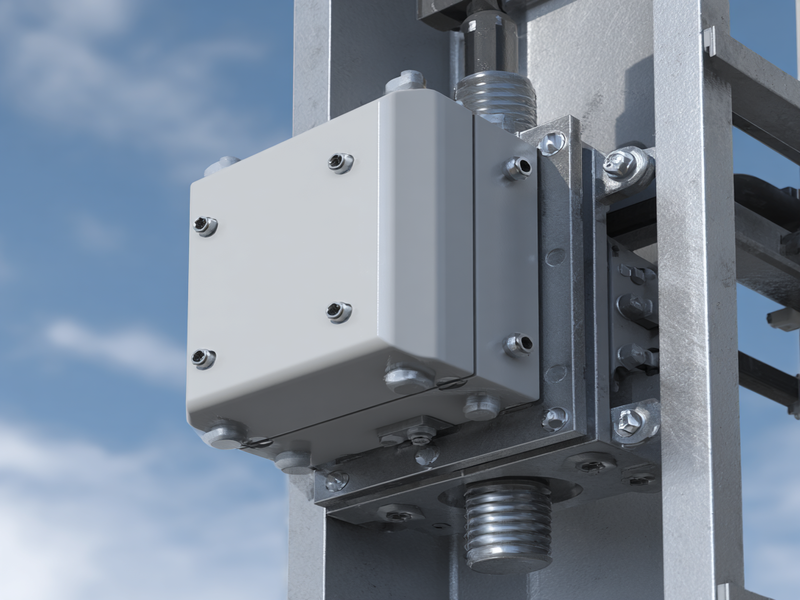
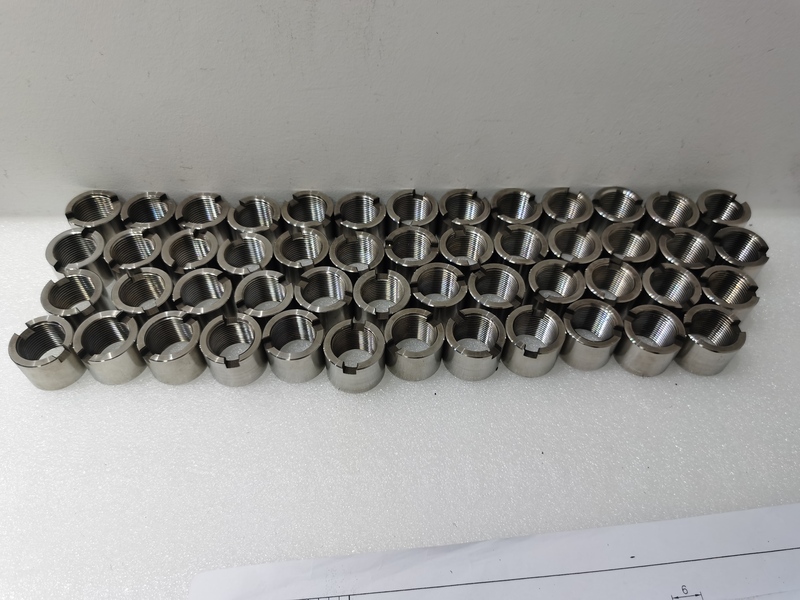
Reduce RF leakage caused by inconsistent enclosure contact and interface variation.
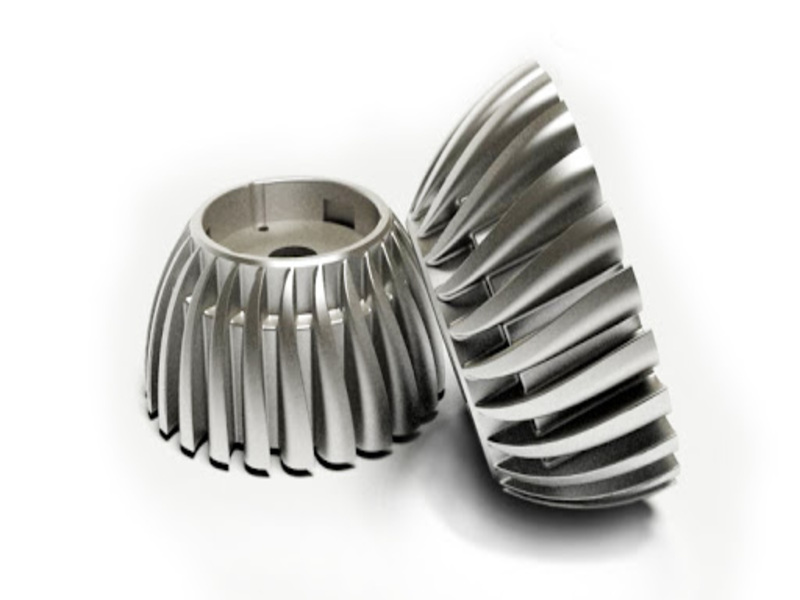
Maintain dimensional stability and heat dissipation during long operating periods.
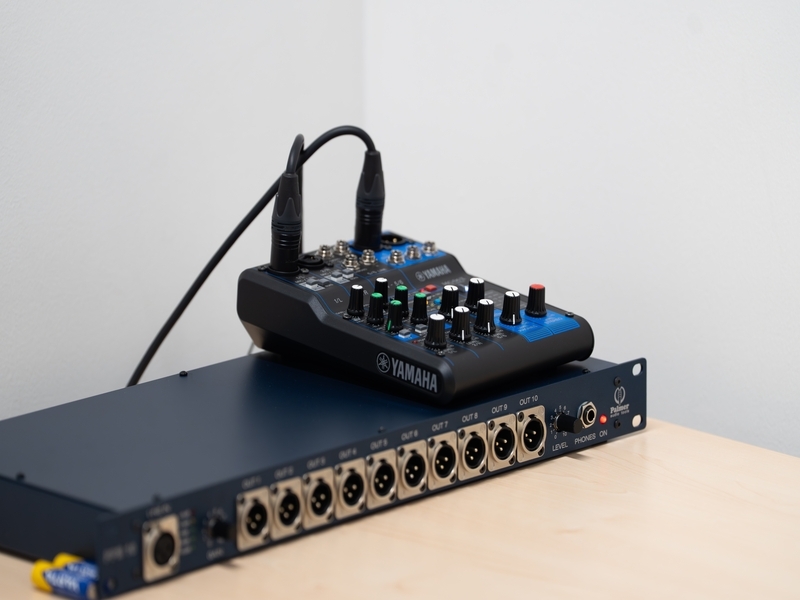
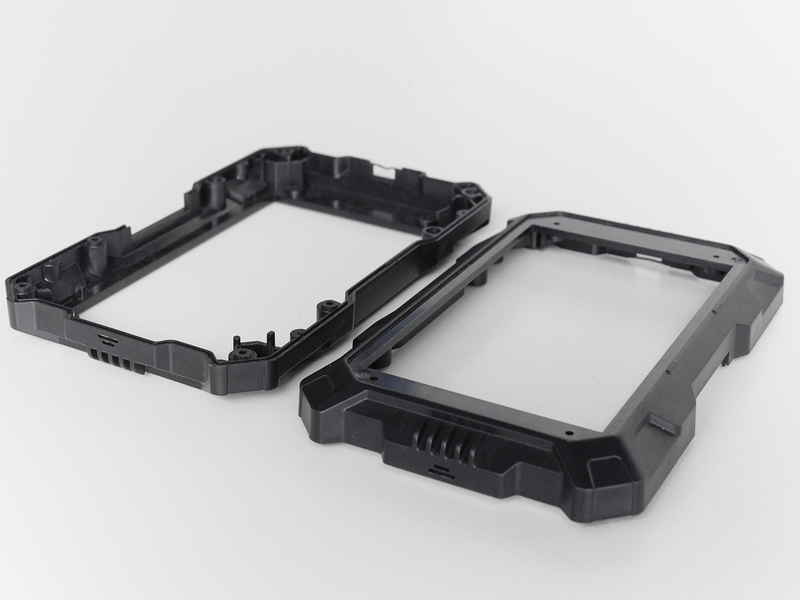
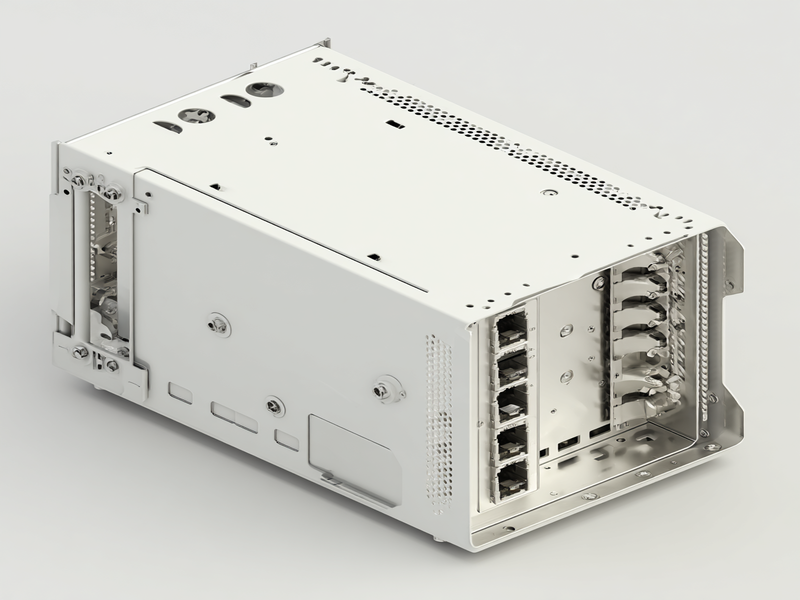
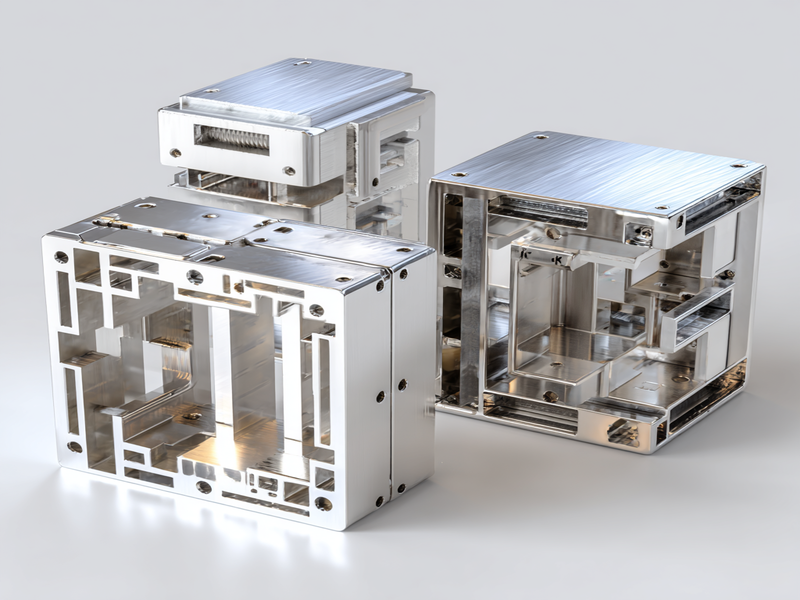
Improve flatness, fit, and interface repeatability across fabricated and molded housings.
Feedback from RF and telecom hardware teams
Some connector assemblies required too much adjustment during installation because alignment varied slightly between batches.
After reviewing the mating features with the Premium team, the critical positioning areas were refined and assembly became much more repeatable.

One communication enclosure started showing slight distortion after long thermal testing cycles, affecting internal RF-module fit.
The Premium team adjusted the structure around the heat-sensitive areas, and the enclosure stability improved significantly afterward.

Our fabricated housings looked fine individually, but larger production runs exposed interface inconsistencies during assembly.
Tightening control around the assembly-critical surfaces improved repeatability across later batches.

When enclosure tolerances drift, heat dissipation performance drops or machining inconsistencies affect assembly accuracy, your communication equipment reliability and production schedule are immediately impacted.
Premium Rapid & Mold helps you reduce manufacturing risk with CNC machining, aluminum extrusion, injection molding and sheet metal fabrication support for communication equipment applications requiring thermal stability, precision fit and repeatable low-volume production quality.

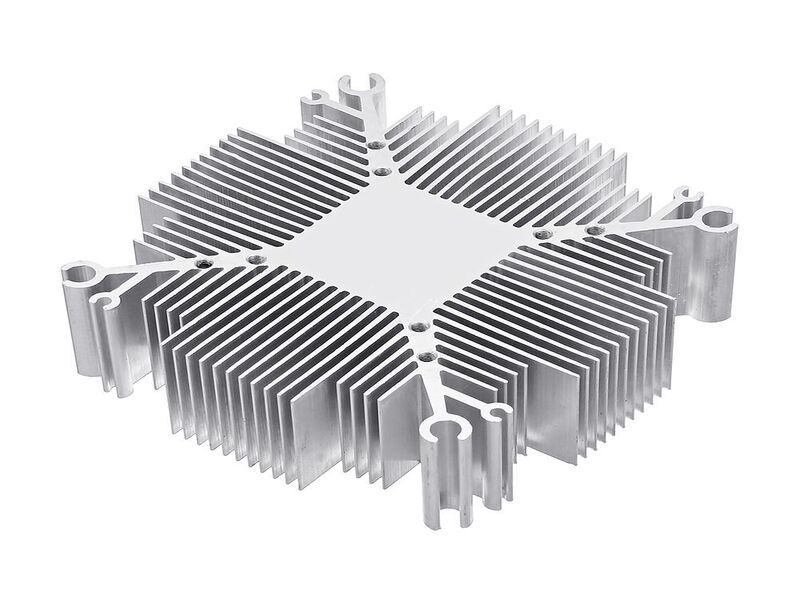
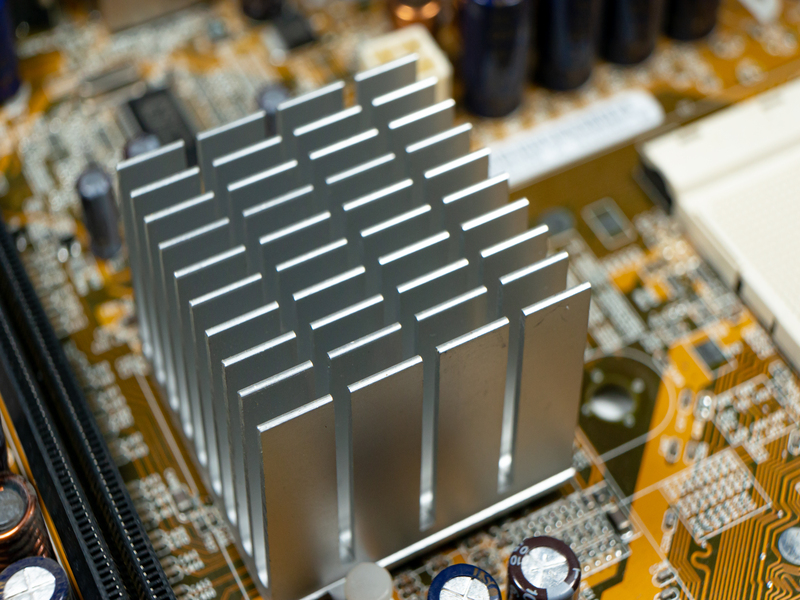
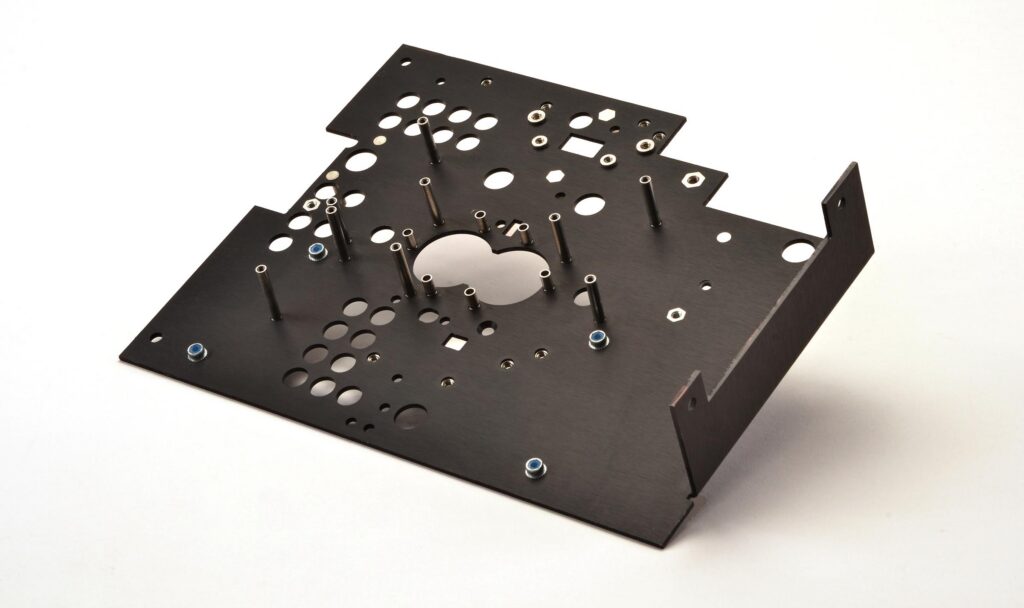


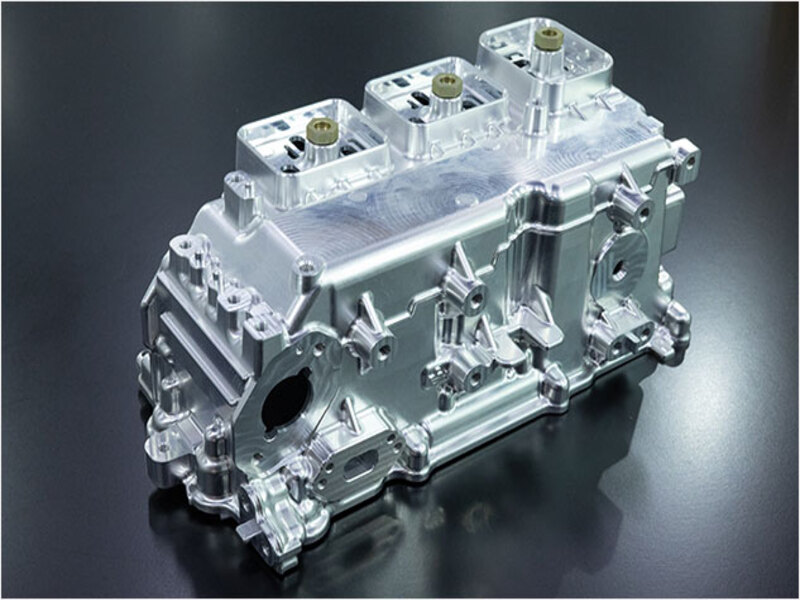
Certain coatings and surface treatments can reduce shielding conductivity if applied incorrectly around contact interfaces.
Critical shielding-contact areas are reviewed separately to maintain stable electrical contact after finishing.
Production scaling introduces tooling, material-behavior, and assembly variation that prototypes may not expose.
Manufacturing strategy and interface control are aligned early to improve repeatability during ramp-up.
Yes. Communication hardware often combines machined, fabricated, extruded, and molded components.
Interface control between different processes is reviewed carefully to maintain fit and assembly consistency.
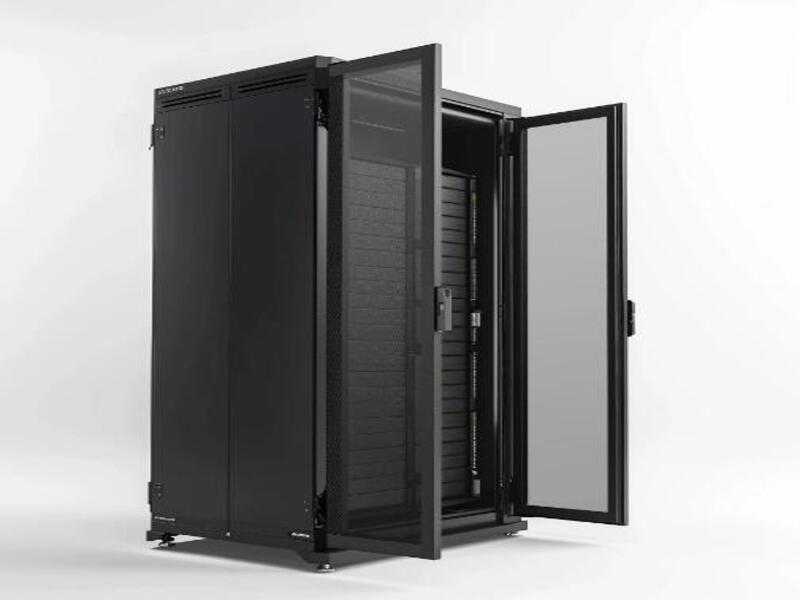
Long housings and rack-mounted structures can shift slightly under continuous thermal load.
Material selection, reinforcement strategy, and fabrication sequencing are optimized to improve dimensional stability.
Yes. Many telecom assemblies combine machined metal structures with molded insulation or connector-support components.
Interface control between materials is reviewed carefully to maintain assembly accuracy and long-term stability.
Shielding-contact areas, connector interfaces, thermal-contact surfaces, and alignment-critical features are commonly prioritized during inspection.