DFM Based on Assembly Fit
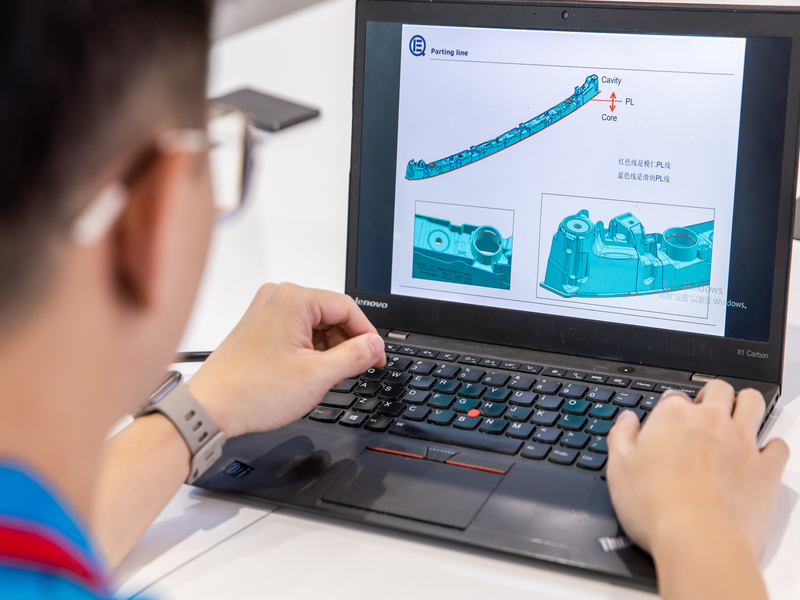
Design review focuses on tolerance stack-up, mating features, and assembly conditions—not just part geometry—so components fit without adjustment.
Parts that assemble without adjustment, perform under real conditions, and stay consistent from sample to production
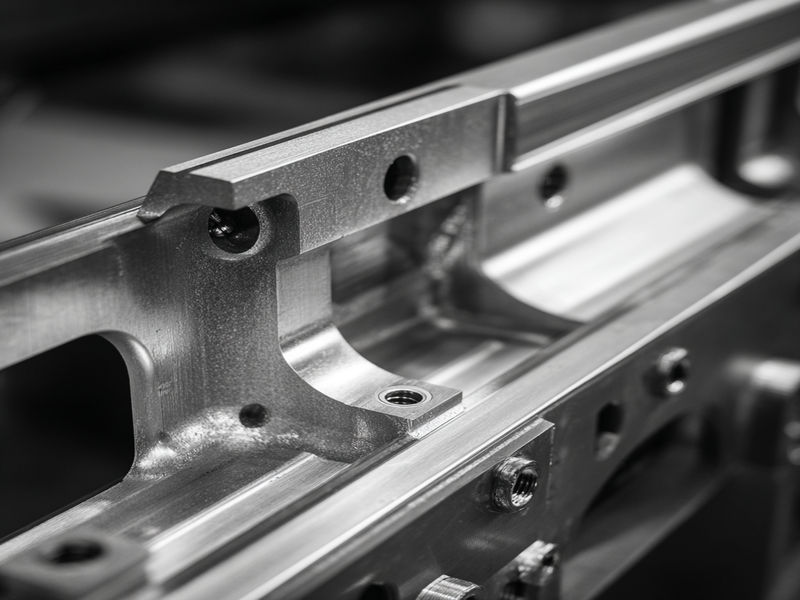
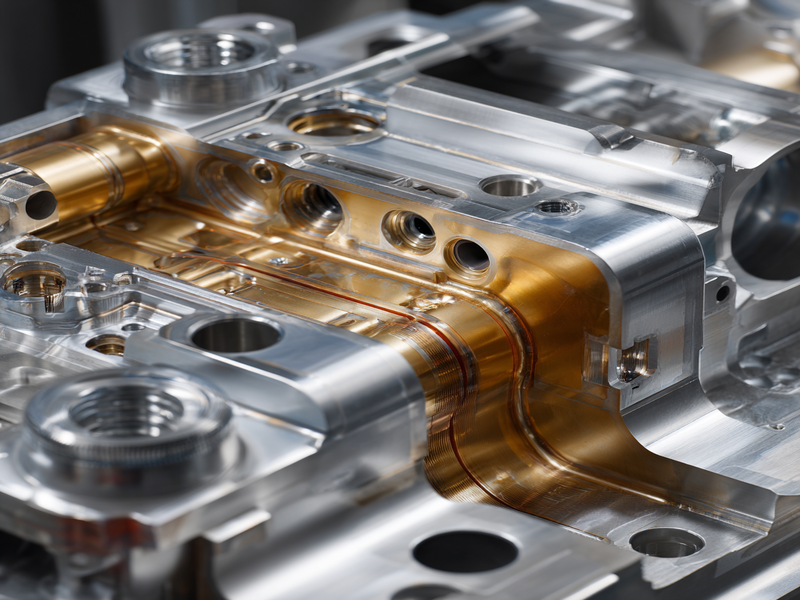
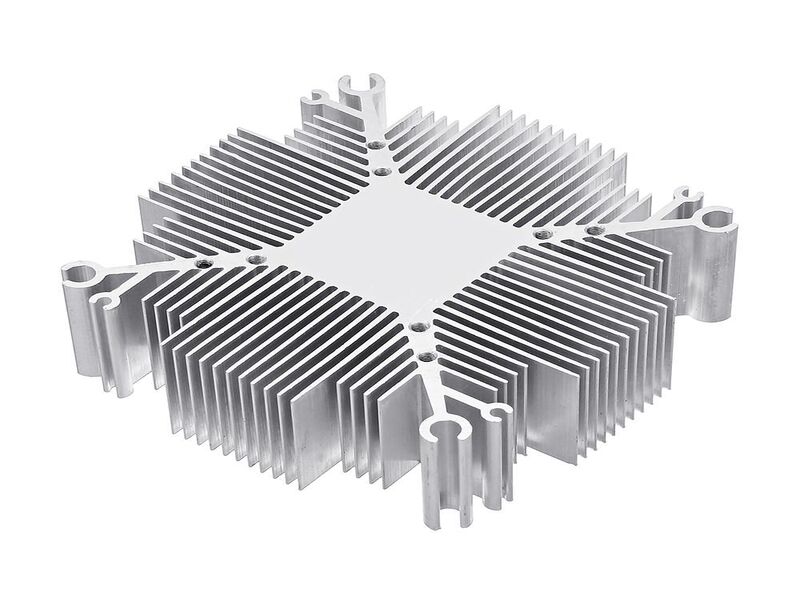
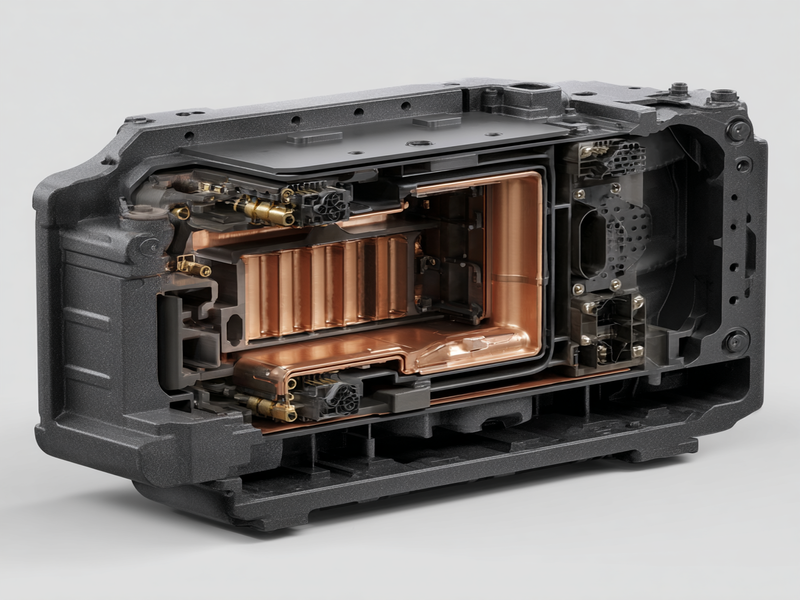
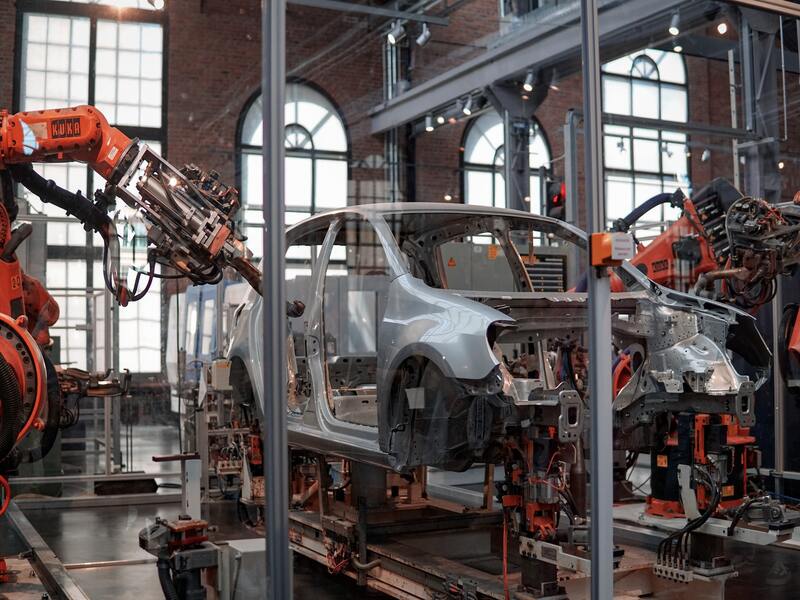
Design review focuses on tolerance stack-up, mating features, and assembly conditions—not just part geometry—so components fit without adjustment.
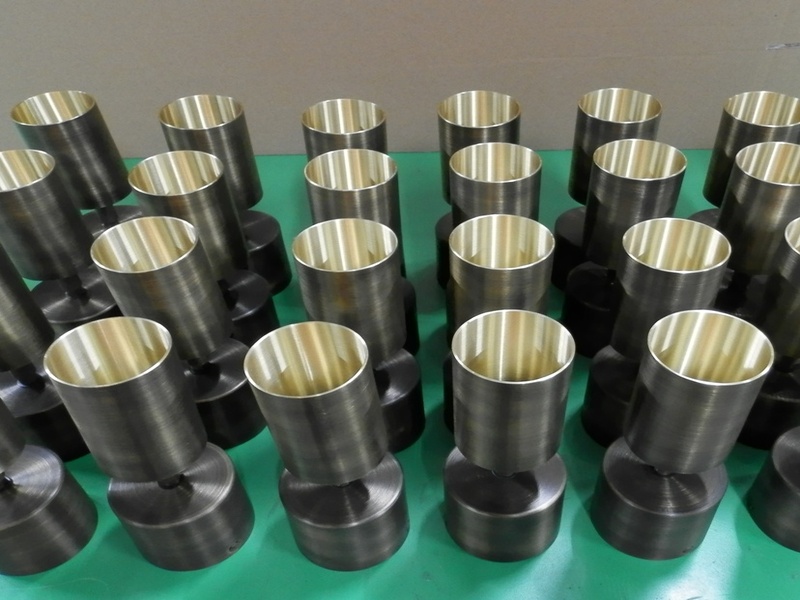
The same process logic is maintained from sample to batch production to avoid fit changes, revalidation, or redesign.
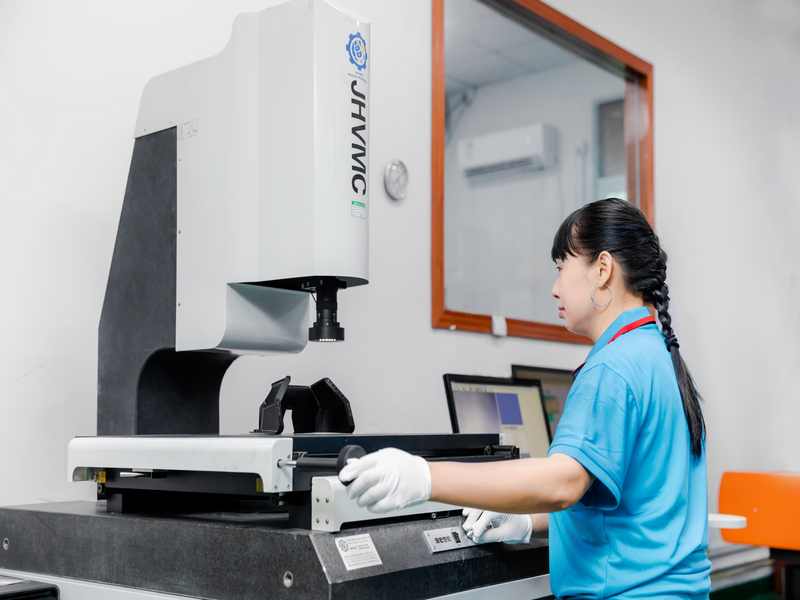
Inspection focuses on critical dimensions, interfaces, and failure risks, using appropriate methods (e.g. CMM, visual standards, gauges).
Real feedback from engineers, buyers, and product teams managing fit, tolerance, and production risk
Our heat sink performance was inconsistent across batches, even though the design hadn’t changed.
It turned out the variation came from manufacturing differences, not design. Once the process was stabilized, the thermal results became much more predictable. That removed a major variable in our testing.

The main issue we had wasn’t price—it was inconsistency. Parts from different batches required extra inspection and sometimes sorting.
After consolidating to a single supplier with a more controlled process, the variation reduced significantly. It made planning and quality control much easier on our side.

The brackets we sourced previously were within drawing tolerance, but still caused alignment issues during installation.
The problem turned out to be tolerance stack-up across multiple features. Once that was addressed in machining and inspection, the parts fitted as intended. It reduced installation time and eliminated the need for adjustment on the line.

Lorem ipsum dolor sit amet, consectetur adipiscing elit, sed do eiusmod tempor incididunt ut labore et dolore magna aliqua.

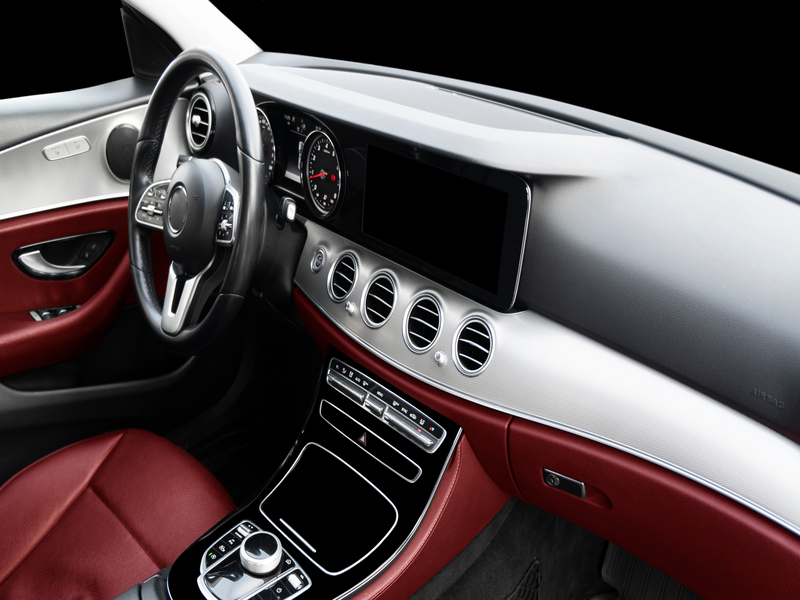
When automotive parts fail dimensional inspection, surface finish standards or assembly validation, your development schedule and production costs suffer.
Premium Rapid & Mold helps you reduce manufacturing risk with CNC machining, injection molding, aluminum extrusion and silicone molding support tailored for automotive applications requiring lightweight structures, stable tolerances and repeatable production quality.


Because individual part tolerances don’t guarantee assembly fit.
Issues usually come from tolerance stack-up, deformation, or interaction between components.
Fit is reviewed at the assembly level—especially for mating features, snap fits, and alignment points.
No—and any supplier who says so is oversimplifying.
Tolerance depends on process, material, geometry, and function.
Critical dimensions are defined and controlled based on what actually affects performance, not applied uniformly across the entire part.
Because prototypes and production may use different tooling, materials, or process conditions.
Maintaining consistency requires aligning the manufacturing method early, not just copying geometry.
By selecting the right material and controlling the manufacturing process.
Design features such as wall thickness, rib structure, and material type are reviewed based on actual operating conditions—not just initial fit.
Consistency comes from controlled processes, stable parameters, and repeatable setups.
Variation often occurs when different suppliers, tooling, or conditions are used between runs.