New Energy Applications
Components designed for thermal stability, sealing reliability, and scalable production
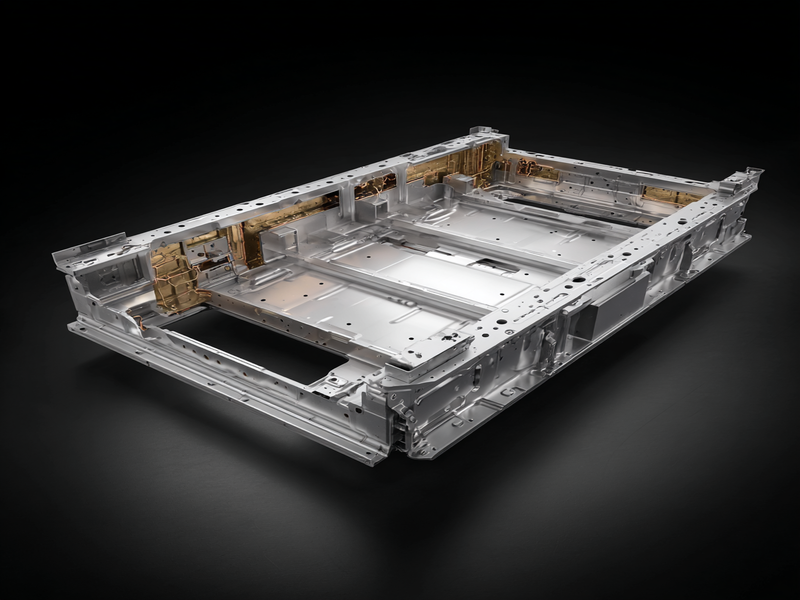
Battery Enclosures
Improve structural strength, thermal management and assembly consistency for battery systems.
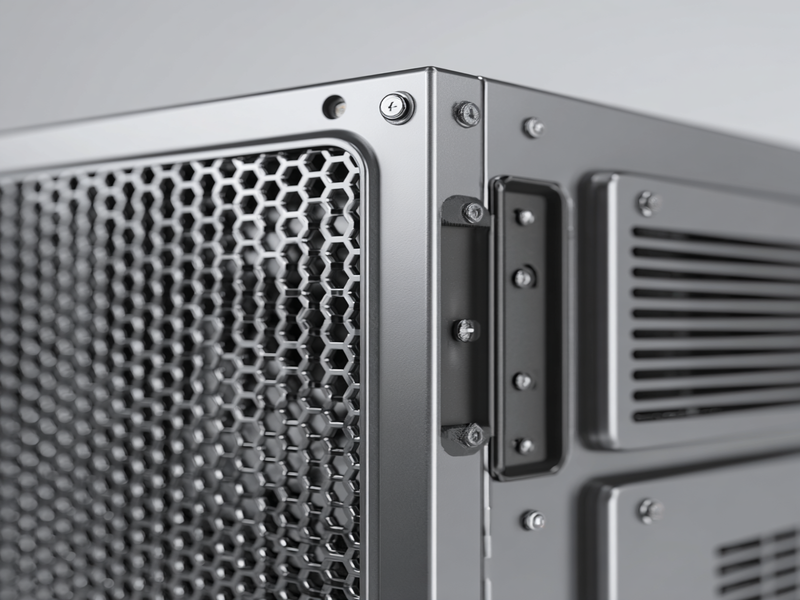
Energy Storage Systems
Support complex assemblies with lightweight metal and engineering plastic components.
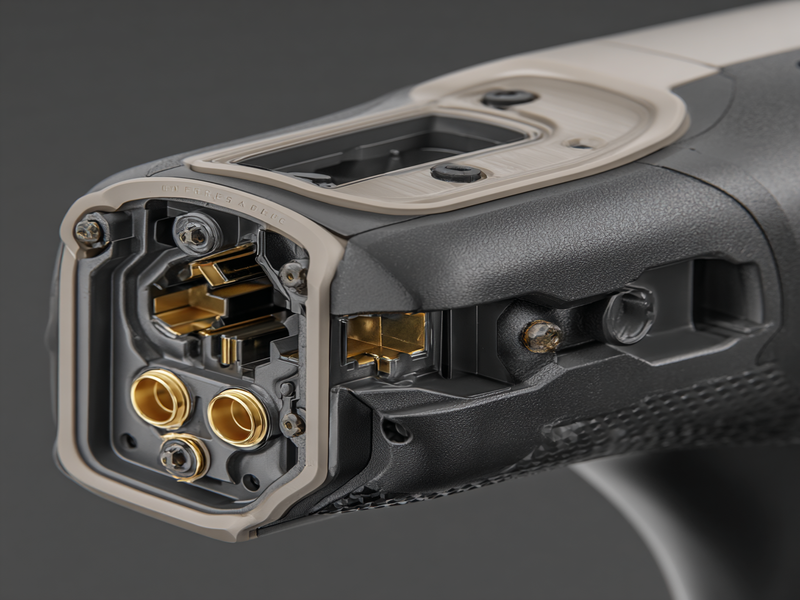
EV Charging Components
Manufacture durable housings and functional parts for charging equipment applications.
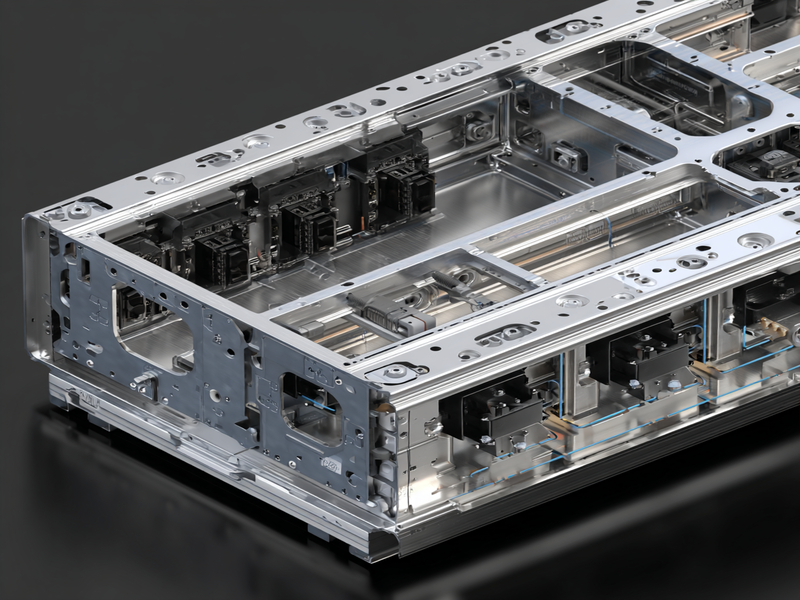
Power Electronics Housings
Achieve stable dimensions and heat dissipation performance for electronic assemblies.
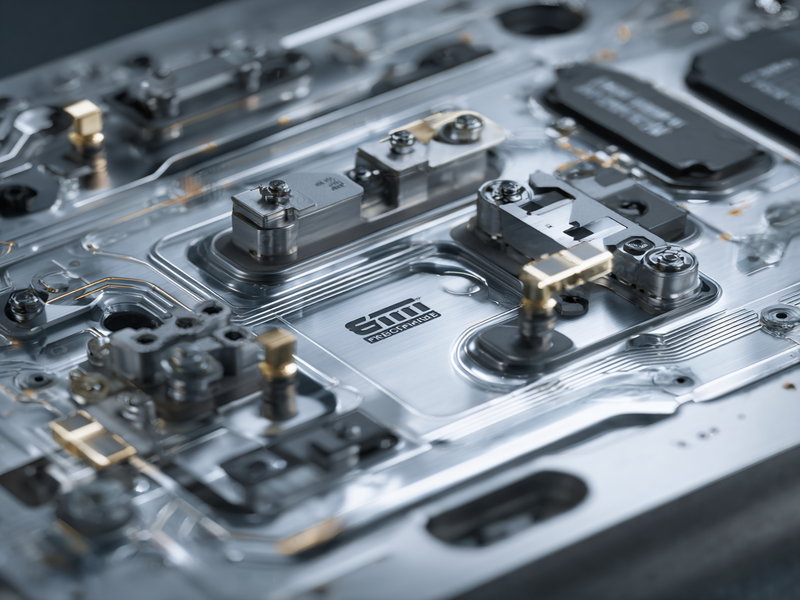
Thermal Management Components
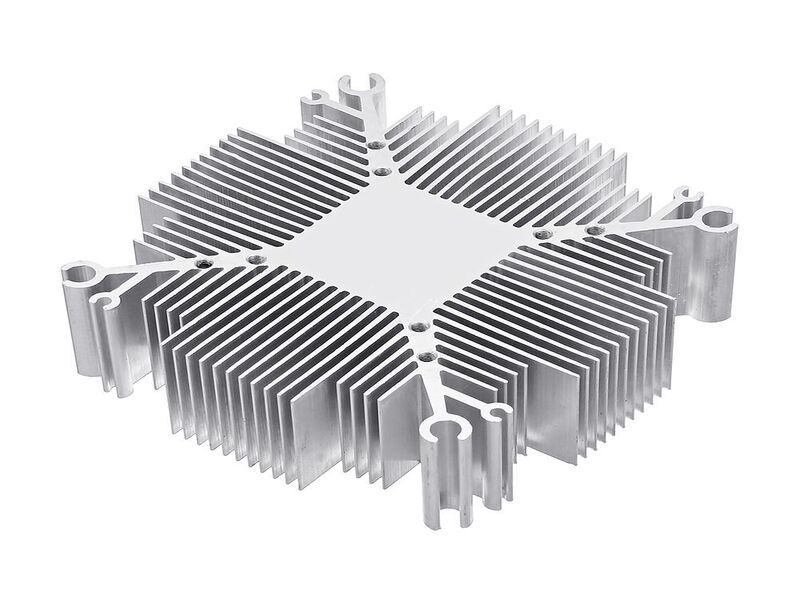
Improve cooling efficiency with precision-machined and aluminum extrusion parts.
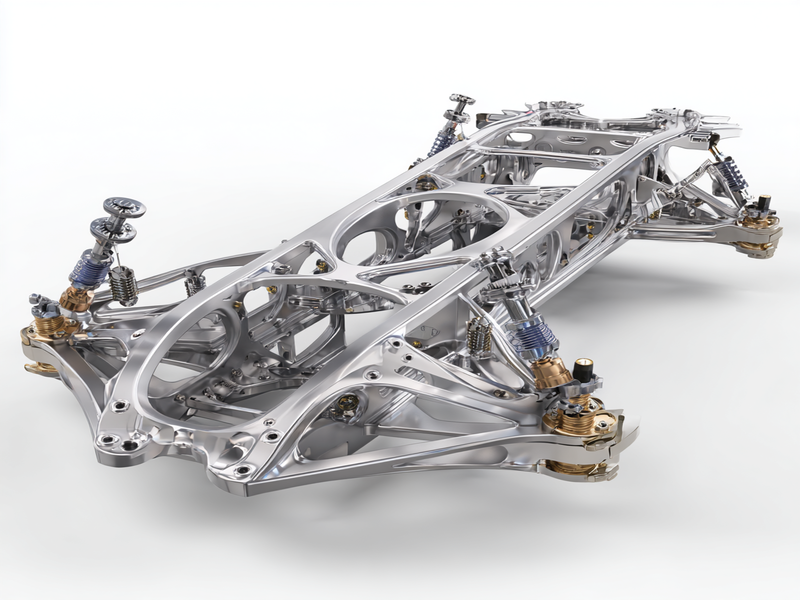
Lightweight Structural Parts
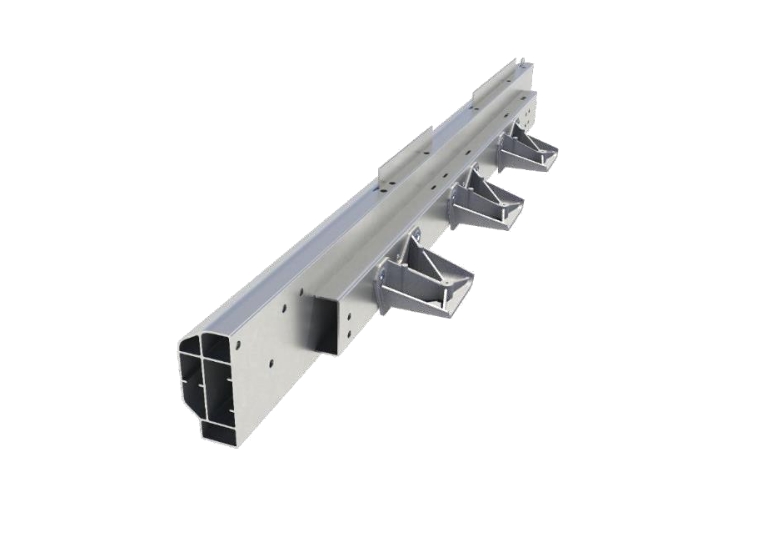
Reduce product weight while maintaining strength for transportation and energy equipment applications.
Built for Thermal Stability and Production Reliability
Control heat, sealing, and assembly consistency across new energy systems
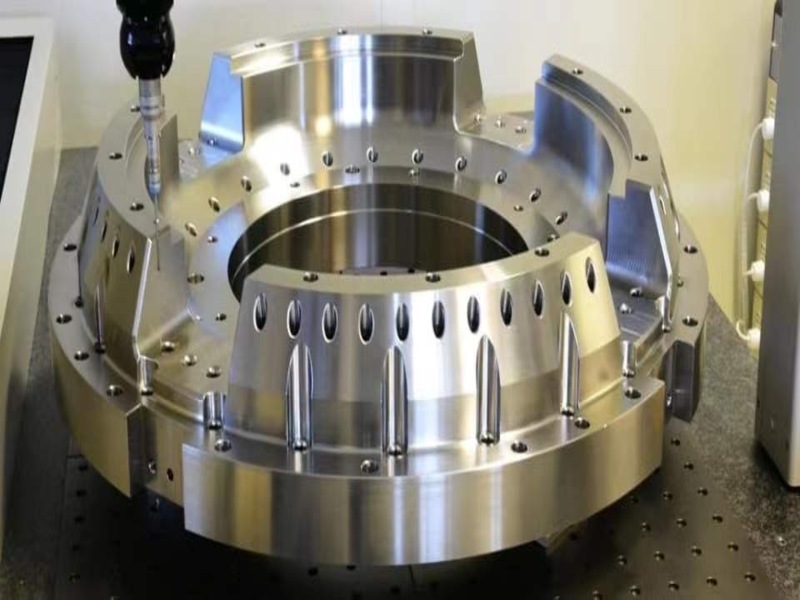
Structural Durability
Improve rigidity and long-term stability under vibration, load, and outdoor conditions.
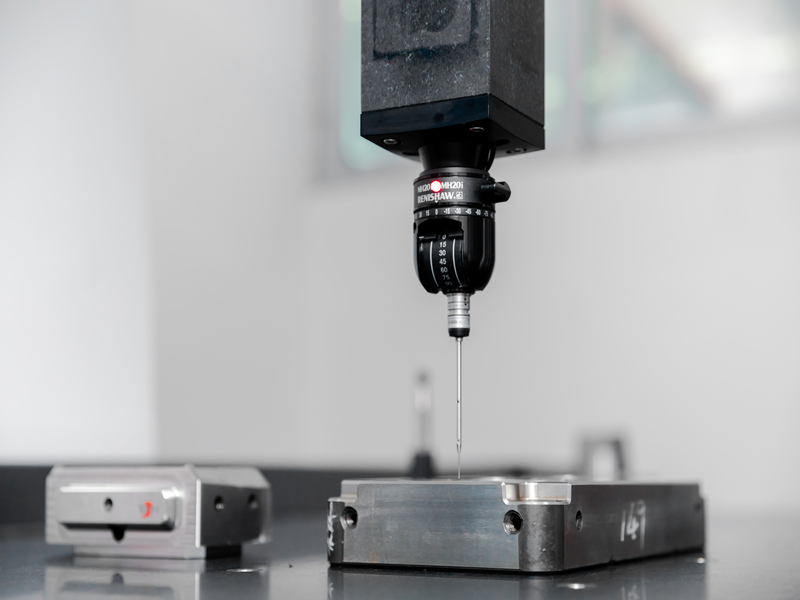
Critical Inspection
Verify sealing areas, thermal interfaces, and assembly-critical features using targeted inspection methods.
What New Energy Teams Actually Care About
Feedback from EV, battery, and energy equipment teams managing thermal stability, sealing, and production scaling
We had cooling components where small dimensional variation was affecting thermal contact efficiency during validation.
Instead of tightening everything across the entire part, Premium focused specifically on the thermal interface surfaces and how they were machined. That approach made a lot more sense from both a manufacturing and thermal standpoint.
Flatness improved noticeably afterward, and the thermal results became much more stable across builds.

Daniel
Thermal Systems Engineer
Some structural parts began showing surface degradation earlier than expected during outdoor exposure testing.
The issue turned out to be more related to coating behavior and environmental exposure than the base material itself. After reviewing the application conditions with Premium, the surface treatment approach was adjusted accordingly.
The updated parts held up far better in later testing, which gave us more confidence before field deployment.

Lena
Product Engineer
The prototype battery modules assembled correctly, but production units started showing slight variation around alignment and sealing areas.
One thing that helped was bringing manufacturing considerations into the discussion earlier instead of waiting until ramp-up. Premium worked through the tooling and process strategy with us before the next phase started.
The variation between builds dropped significantly after that, and scaling production became much more manageable.

Marco
Senior Program Manager
Manufacturing Support for Precision New Energy Components
When battery components fail thermal requirements, lightweight structures lose dimensional stability or supplier delays slow product validation, your new energy project quickly becomes more costly and difficult to scale.
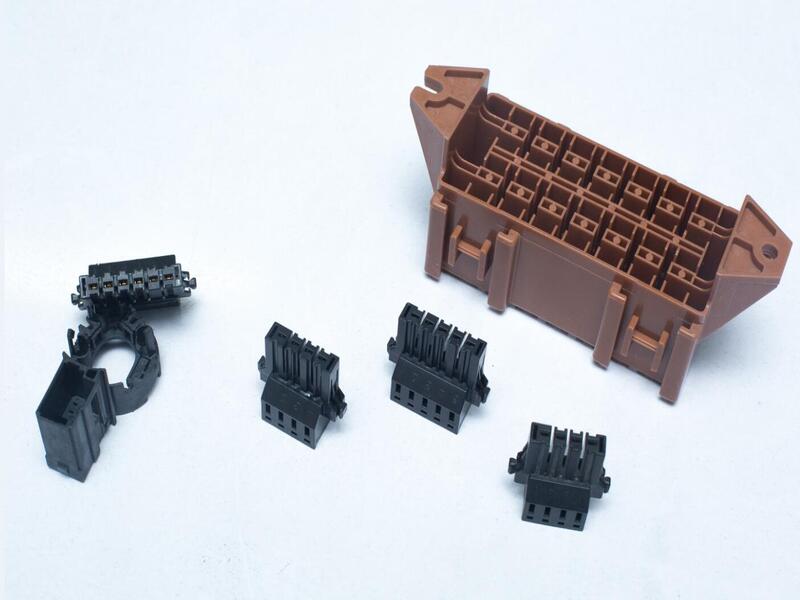
Premium Rapid & Mold helps you reduce manufacturing risk with CNC machining, aluminum extrusion, injection molding and silicone molding support for EV, battery, charging and energy storage applications requiring lightweight performance, precision assembly and reliable low-volume production quality.
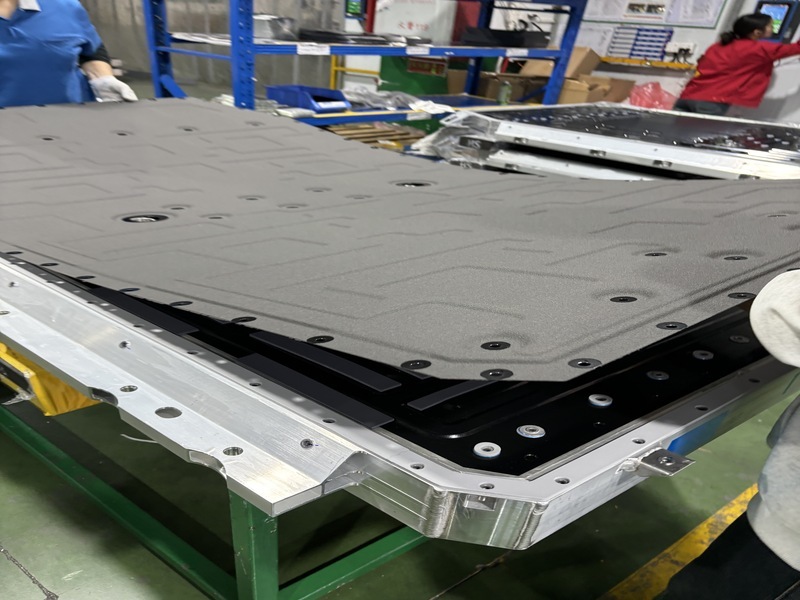
New Energy Project Examples

FAQs
Thermal performance depends heavily on contact consistency between cooling and heat-transfer interfaces.
Critical surfaces are machined and inspected based on flatness and thermal-contact requirements—not only dimensional tolerance.
Material and surface-treatment selection are based on corrosion exposure, UV conditions, moisture, and long-term outdoor operation.
This helps improve durability in charging, storage, and renewable-energy equipment.
Reducing weight without controlling structure can introduce vibration and deformation issues.
Geometry, wall thickness, and reinforcement strategy are optimized to balance stiffness and weight.
Material selection and surface treatment are matched to humidity, UV exposure, salt spray, and environmental conditions.
Common approaches include anodizing, powder coating, and corrosion-resistant alloys.
Yes. Many energy-system assemblies combine CNC machining, sheet metal, molding, extrusion, and fabricated structures.Interfaces between processes are reviewed carefully to maintain fit, sealing, and repeatable